For people who have lost most or all of their teeth, the All-on-4®1 treatment concept provides a predictable way to regain a fully functioning smile. Rather than replacing each tooth individually, this approach uses a small number of strategically placed dental implants to support a complete arch of new teeth. Because the prosthesis is anchored to implants, patients often experience improved stability for eating and speaking compared with removable options.
One of the defining features of this method is the ability to provide provisional teeth on the day of surgery, which means you can leave the office with a natural-looking, functional smile while healing takes place. That immediate restoration of form and function helps patients maintain everyday routines and social confidence throughout recovery. The result is a durable long-term solution that emphasizes both comfort and practical function.
This treatment is intended for adults who are missing most or all teeth in an arch or who face extensive extractions. A comprehensive clinical evaluation helps determine whether All-on-4®1 is appropriate, taking into account jawbone health, overall medical status, and personal goals for appearance and function. When selected carefully, it offers a streamlined route to restoring a complete smile without the need for numerous individual implants.
Treatment begins with a detailed evaluation: clinical exams, digital impressions, and cone beam CT imaging are used to map bone volume and determine optimal implant positions. This high-resolution planning lets the clinical team visualize critical anatomy and plan implant angulation to maximize support while avoiding anatomical structures. The thorough planning stage is crucial to achieving a predictable outcome and a comfortable surgical experience.
On the day of implant placement, four implants are typically positioned in the jaw in locations and angles chosen to make the most of available bone. The posterior implants are often tilted to increase contact with denser bone, improving stability without the need for extensive grafting in many cases. Once implants are stable, a temporary full-arch prosthesis is secured, restoring teeth length, bite, and appearance while osseointegration begins.
After an initial healing period, the temporary prosthesis is replaced with a precisely fabricated final restoration. This definitive bridge is designed to feel and function much like natural teeth, crafted to suit the patient’s facial proportions and bite. The entire workflow—diagnosis, implant placement, immediate provisionalization, and final restoration—is coordinated to minimize appointments and deliver predictable, long-term results.
Before your procedure, the team will review preoperative instructions to help optimize the surgical experience. On surgery day, local anesthesia combined with sedation options if desired helps keep patients comfortable throughout the procedure. The operation itself typically takes several hours depending on whether both arches are being treated and on the complexity of extractions or preparatory steps required.
Immediately after surgery you’ll have a provisional prosthesis in place, allowing you to speak and smile with confidence as tissues begin to heal. Initial recovery focuses on managing swelling, following a soft-food diet, and maintaining careful oral hygiene around the surgical sites. Follow-up visits are scheduled to monitor healing, remove sutures if necessary, and assess how the implants are integrating with the jawbone.
Over the next few months, as osseointegration occurs, patients gradually return to a more normal diet and routine. The temporary prosthesis protects the sites and maintains function until the final bridge is ready. Once healing is complete and the team confirms stable integration, a custom final restoration is delivered—refined for comfort, fit, and long-term performance.
Restoring a full arch with implant-supported teeth improves more than just how a smile looks. Anchored prostheses provide better chewing efficiency and greater stability than conventional removable dentures, enabling patients to eat a wider variety of foods with confidence. Speech often improves as well because the prosthesis is secure and fits in a consistent position relative to the tongue and palate.
Implants also help preserve the jawbone by transmitting functional forces through the bone much like natural tooth roots do. This stimulation reduces the rate of bone loss that commonly accelerates after tooth loss, helping maintain facial contours and the long-term foundation needed for restorative work. For many patients, that preservation contributes to a more natural facial appearance over the years.
Finally, the All-on-4®1 method streamlines care by using fewer implants and a coordinated treatment sequence. That can mean fewer surgical sites to manage and a focused rehabilitation plan centered on a single arch at a time if needed. For patients seeking a reliable, functional, and esthetic full-arch solution, these practical advantages make the approach compelling.
At SmileArts Dental, our approach to full-arch restoration blends advanced technology with patient-centered planning. We use digital diagnostics, including CBCT imaging and digital impressions, to tailor each case to a patient’s anatomy and goals. Thoughtful planning helps reduce surprises during surgery and supports predictable long-term function for the final restoration.
Dr. Tung Nguyen, DDS, and our implant team prioritize clear communication so you understand each step—from preparation and surgery to recovery and the delivery of your final prosthesis. Our clinical protocols emphasize comfort, safety, and evidence-based techniques, and our team coordinates care across consultations, surgical visits, and prosthetic appointments to keep the process efficient and straightforward.
If you’re considering a full-arch solution and would like to explore whether All-on-4®1 is right for you, our office offers careful, personalized assessments to help you make an informed decision. We focus on restoring reliable function and natural-looking results while respecting your health history and lifestyle preferences. To learn more about how this option might fit your goals, please contact the office of SmileArts Dental for additional information and guidance.
1All-on-4 is a registered trademark of Nobel Biocare


All-on-4® is a full-arch restorative approach that uses a small number of dental implants to support a fixed prosthesis, replacing most or all teeth in an arch. Unlike removable dentures, the prosthesis is anchored to implants, which provides greater stability for chewing and speaking. The technique typically uses four strategically placed implants, with posterior implants often tilted to maximize support from available bone.
This approach emphasizes immediate provisionalization so patients can leave with functional teeth while healing occurs, which is different from the multi-step process required for conventional dentures. Because the prosthesis is implant-supported, it can feel and behave more like natural teeth and reduces the need for adhesives or frequent repositioning associated with removable appliances.
Good candidates are adults who are missing most or all teeth in an arch, or those who require extensive extractions and desire a stable, long-term solution. The clinical evaluation includes assessment of jawbone volume, overall medical health, and oral hygiene practices to determine suitability. Patients with uncontrolled systemic conditions or severe bone deficiencies may require additional evaluation or preparatory procedures before proceeding.
A comprehensive consultation typically includes digital imaging and a review of treatment goals so the team can recommend the most appropriate restorative option. Candidates who prioritize function, long-term preservation of facial structure, and fewer surgical sites often find All-on-4® to be an effective choice when clinically appropriate.
Treatment begins with a thorough evaluation that often includes clinical exams, digital impressions, and cone beam CT imaging to map bone volume and critical anatomy. This diagnostic phase allows the team to plan implant positions and angulations precisely to maximize support and avoid important structures. Once the plan is finalized, implant placement and immediate provisionalization are typically coordinated during a single surgical visit.
After implant placement, a temporary full-arch prosthesis is secured while osseointegration takes place over several months. Follow-up appointments monitor healing and implant stability, after which a custom final bridge is fabricated to refine esthetics, occlusion, and comfort for long-term function.
Yes, one of the hallmark benefits of the All-on-4® concept is immediate provisionalization, which means a temporary prosthesis can be attached the same day as implant placement. That provisional restoration restores appearance, vertical dimension, and basic chewing function while the implants integrate with the jawbone. The temporary prosthesis is designed to protect surgical sites and guide soft-tissue healing during the early recovery period.
Patients should expect some dietary modifications and careful hygiene around the provisional prosthesis as healing progresses. The temporary phase continues until the clinical team confirms stable osseointegration and then transitions to a precisely fabricated final restoration tailored to long-term comfort and esthetics.
Initial recovery typically spans several days to a few weeks, with most patients experiencing the greatest swelling and discomfort in the first 48 to 72 hours. Recovery involves managing swelling and soreness, following a soft-food diet, and maintaining gentle oral hygiene around the surgical sites as instructed. Sedation and local anesthesia are used during the procedure to enhance comfort, and post-operative instructions are provided to support uneventful healing.
Over the following months, osseointegration occurs and the implants gradually become firmly anchored in the bone, allowing patients to return to a more normal diet as advised by the clinical team. Regular follow-up visits are scheduled to monitor healing, remove sutures when appropriate, and plan for the final restoration once integration is confirmed.
Implants transmit functional forces through the jawbone in a manner similar to natural tooth roots, which stimulates bone maintenance and reduces the rate of resorption that commonly follows tooth loss. This biomechanical loading helps preserve facial contours and supports the long-term foundation needed for restorative work. By anchoring a fixed prosthesis, All-on-4® promotes more consistent force distribution than removable appliances.
In many cases the All-on-4® technique leverages available bone by angling posterior implants to engage denser cortical regions, which can reduce the need for extensive bone grafting. When grafting is necessary, it is planned carefully alongside the implant strategy to achieve a stable, predictable outcome.
Maintenance includes daily cleaning of the prosthesis and surrounding tissues, which typically involves brushing the prosthetic teeth and cleaning under the bridge with water flossers or interdental brushes as recommended. Regular professional checkups and hygiene visits are essential to monitor tissue health, implant stability, and prosthesis fit. Maintaining good oral hygiene and following the practice's specific care instructions helps reduce the risk of complications and extends the life of the restoration.
During routine appointments, the team will evaluate occlusion and the integrity of prosthetic components and perform any necessary adjustments or professional maintenance. Patients with implant-supported prostheses should continue regular dental exams and imaging as advised to ensure long-term success.
As with any surgical procedure, All-on-4® carries risks such as infection, bleeding, implant failure, nerve irritation, and complications related to healing. Many of these risks are minimized through careful planning with CBCT imaging, adherence to sterile surgical protocols, and thorough medical history review to identify factors that could affect healing. Smoking, uncontrolled systemic conditions, and poor oral hygiene can increase the likelihood of complications and are addressed during the candidacy assessment.
Early detection and prompt management of any issues are important, so follow-up visits and open communication with the care team are emphasized. When complications arise, the clinical team will recommend appropriate interventions—ranging from conservative management to surgical revision—based on the specific circumstance and the patient's overall health.
Planning begins with a comprehensive diagnostic workup that typically includes digital impressions, facial and intraoral photography, and cone beam CT imaging to map bone and anatomical landmarks. These digital records enable precise implant placement planning and allow the prosthesis to be designed for optimal esthetics, speech, and bite function. The team considers facial proportions, occlusal scheme, and the patient's personal goals when designing the temporary and final restorations.
Custom prosthetic components are then fabricated to match the plan, and adjustments are made during the restorative phase to refine fit, color, and phonetics. This collaborative process between the surgical and prosthetic teams helps ensure that the final bridge provides a functional, comfortable, and natural-looking result tailored to the individual.
At SmileArts Dental, our approach to full-arch restoration combines modern digital diagnostics with patient-centered planning to deliver predictable outcomes and a focus on comfort. We utilize CBCT imaging and digital impressions to map anatomy precisely and coordinate care across surgical and prosthetic phases to reduce surprises and streamline the treatment experience. Dr. Tung Nguyen, DDS, and the clinical team emphasize clear communication so patients understand each step from evaluation to final restoration.
Our protocols prioritize safety, evidence-based techniques, and individualized treatment plans that reflect each patient's health history and goals. If you are exploring full-arch options, our office offers careful assessments and detailed explanations to help you make an informed decision about whether All-on-4® aligns with your needs.
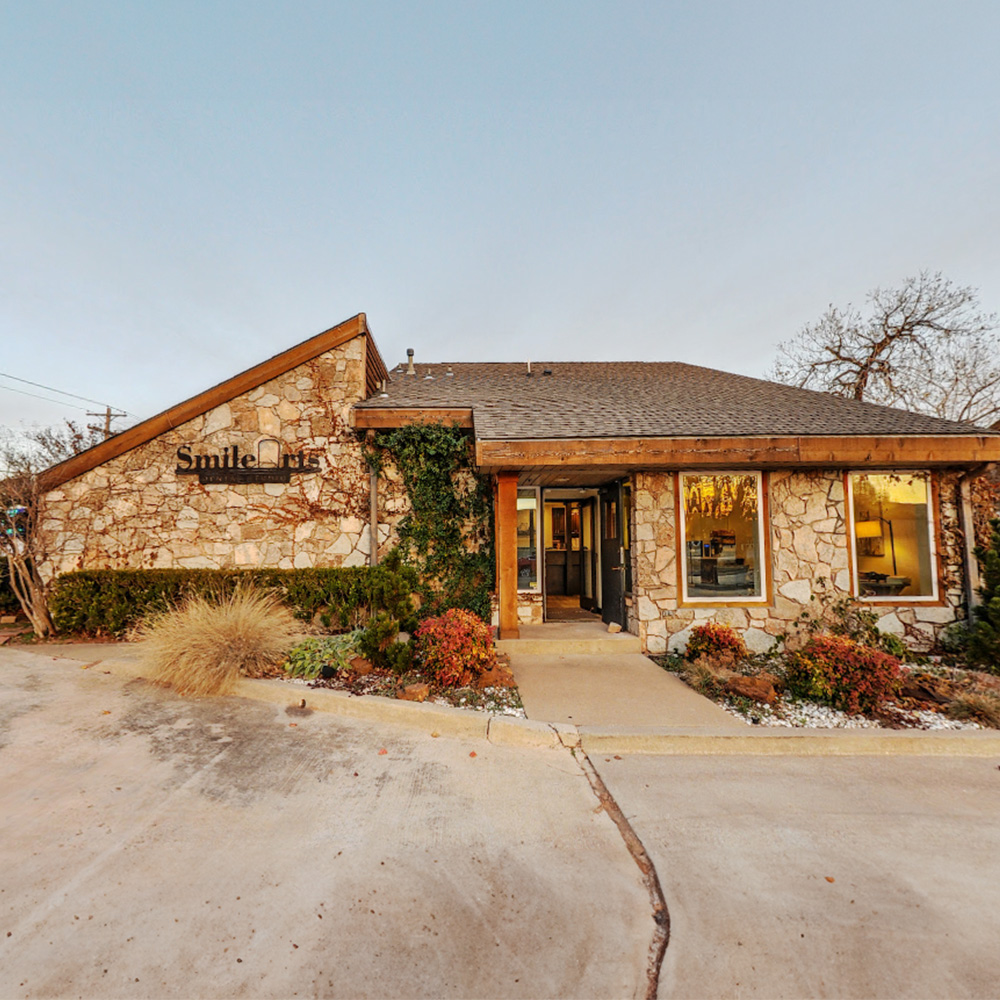
Ready to Experience the SmileArts Dental Difference?
We’re here to help you take the next step toward a healthier, more confident smile. Whether you’re ready to schedule an appointment or want to learn more about our services, our friendly team is ready to assist you.
Our staff is happy to answer questions about treatment options, help you schedule your visit, and provide any information you need. Give us a call or fill out our quick online form today—we can’t wait to hear from you!