CEREC® brings digital dentistry into the operatory so that many restorations are planned, fabricated, and placed while you wait. Instead of a multi-appointment process that relies on temporary crowns and off-site labs, this workflow centralizes design and fabrication at the chair. That streamlined approach reduces the number of visits and eliminates the interim steps that can be inconvenient for patients with busy lives.
Because the system is fully digital, the team can preview the restoration in three dimensions and make real-time refinements before milling. The result is a restoration shaped specifically for your bite and contours, minimizing the need for repeated adjustments. This improves predictability for both function and appearance compared with older, more manual workflows.
For patients who appreciate efficiency without sacrificing quality, the chairside nature of CEREC® means fewer appointments and a lower likelihood of complications related to temporaries or impression errors. It’s a practical, modern solution for common restorative needs like single crowns, onlays, and inlays.
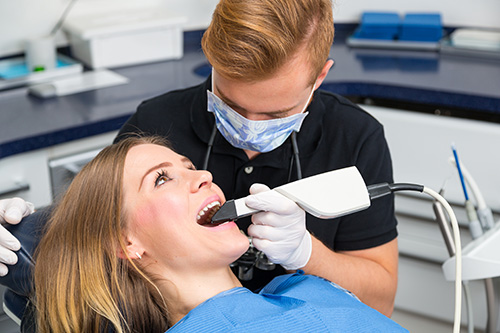
One of the most notable differences between traditional restorations and a CEREC workflow is the switch from physical impressions to digital scans. An ergonomically designed intraoral scanner captures precise 3D images of the prepared tooth and surrounding dentition, avoiding the mess, gag reflex, and imprecision that some patients experience with conventional impression materials.
The scan is immediately available for analysis and design, allowing the dentist to evaluate margins, contacts, and occlusion on-screen. This instant feedback helps catch potential fit or functional issues early in the process so adjustments can be made before anything is milled. The result is a better-fitting restoration on the first try.
Beyond patient comfort, digital scans create an archival record of your dentition that can be referenced for future care. That long-term digital dataset simplifies future restorations or maintenance because the original design files are available for review and replication if needed.
CEREC restorations are milled from high-quality ceramic blocks chosen for their combination of strength and esthetics. Advanced ceramic options mimic the translucency and color depth of natural enamel while offering reliable wear resistance. After milling, restorations are finished and glazed to enhance polish and surface integrity, producing a lifelike result that blends with adjacent teeth.
The precision of chairside milling ensures a close internal fit and well-defined margins, which are important for long-term periodontal health and minimizing microleakage. When properly bonded, a ceramic crown or onlay becomes an integrated part of the tooth structure, restoring function without compromising appearance.
Because every restoration is designed digitally, shade selection and characterization can be coordinated with the laboratory-style finishing steps in the operatory. This attention to both form and function is what gives CEREC restorations their reputation for both durability and natural-looking esthetics.

A typical CEREC visit begins with a clinical evaluation and any necessary imaging to confirm the tooth’s health. If a restoration is indicated, the tooth is prepared and shaped to receive the restoration. Local anesthesia is available as needed to ensure comfort throughout the procedure. Preparation is followed by a digital scan that captures the prepared tooth along with its neighboring and opposing teeth.
Once the digital design is finalized, the data is sent to the chairside milling unit where the ceramic block is shaped into the restoration. While the restoration is being milled and finished, the dentist and team will review fit, occlusion, and shade. After final adjustments and polishing, the restoration is bonded and checked for proper bite relationships, leaving you with a fully seated, functional restoration before you leave.
Because the entire process takes place in one appointment, follow-up usually focuses on routine checks and ensuring comfort. Should any sensitivity or minor adjustments be needed, the practice can address them promptly during a standard exam visit.
Maintaining a CEREC restoration is similar to caring for a natural tooth: consistent brushing, daily flossing, and regular dental check-ups help preserve both the restoration and surrounding tissues. Good oral hygiene prevents recurrent decay at restoration margins and supports overall oral health. Your dentist will review any specific bonding instructions and may suggest particular products if you have bruxism or other risk factors.
Avoiding direct habit-based stresses on restored teeth — such as chewing very hard objects — helps reduce the chance of chipping or excessive wear. If you participate in contact sports or grind your teeth at night, protective measures like a sports mouthguard or night guard can be recommended to safeguard both natural teeth and restorations.
At SmileArts Dental we monitor restorations at routine visits to ensure they remain functional and esthetic. Minor adjustments, repair options, or maintenance can extend the useful life of a restoration, and early detection of concerns often prevents more extensive treatment later on.
In summary, CEREC® combines digital scanning, precise design software, and chairside milling to deliver high-quality ceramic restorations in a single visit. This approach emphasizes patient comfort, accurate fit, and natural appearance while reducing the logistical burden of multiple appointments. If you’d like to learn more about whether CEREC restorations are a good fit for your dental needs, please contact us for more information.

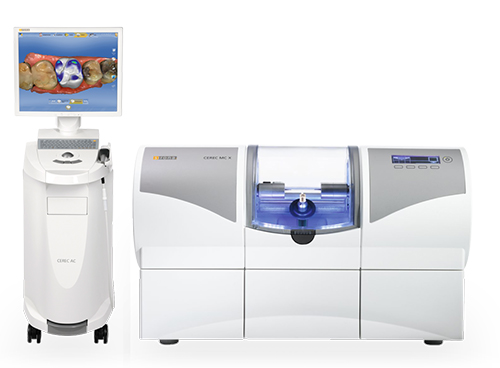
CEREC is a chairside CAD/CAM system that designs and mills ceramic dental restorations in a single visit. The process begins with a digital intraoral scan that captures a precise 3D model of the prepared tooth and surrounding dentition. That digital file is used to design the restoration on-screen, allowing the dentist to evaluate margins, contacts, and occlusion before fabrication.
Once the design is approved, a milling unit sculpts the restoration from a high-quality ceramic block and the restoration is finished and glazed in the operatory. The restored piece is then tried, adjusted as needed for fit and bite, and permanently bonded in the same appointment. This integrated workflow reduces the number of visits while maintaining a predictable, esthetic outcome.
CEREC is commonly used for single crowns, onlays, inlays, and certain anterior and posterior veneers depending on clinical needs. The system is versatile enough to handle small to moderate restorations when tooth structure and occlusal considerations are appropriate. Because designs are created digitally, the restoration can be customized for contours, contact points, and shade characterization.
In many cases CEREC also supports replacement of existing restorations and repairs where a ceramic solution is indicated. The decision to use CEREC depends on tooth anatomy, amount of remaining structure, and long-term restorative planning. Your dentist will evaluate whether a chairside ceramic restoration is the best option for your specific situation.
CEREC restorations are fabricated in-office using a digital workflow, whereas traditional crowns are typically made by an off-site dental laboratory and require multiple appointments. The digital approach reduces steps such as temporary restorations and physical impressions, which can lower the risk of errors related to temporaries or impression distortion. Both methods use high-quality materials, but the timeliness and control of chairside production are primary differences.
From a fit and function standpoint, modern CEREC systems produce restorations with well-defined margins and accurate internal fits when used by an experienced clinician. Shade matching and characterization are managed in the operatory and can achieve very natural results with appropriate finishing. The best choice will depend on case complexity, esthetic demands, and the clinician’s assessment of long-term prognosis.
Digital intraoral scanning for CEREC is generally more comfortable than traditional impression materials because it eliminates bulky trays and putty that can trigger gagging for some patients. The scanner captures multiple high-resolution images that are stitched together to form an exact 3D model, allowing clinicians to evaluate margins and contacts immediately. This instant feedback helps catch potential fit or occlusal issues before anything is milled.
Accuracy is high with contemporary scanners when the scanning protocol is followed and the operator is experienced, producing restorations that often require fewer adjustments at insertion. The digital record also serves as an archival file for future reference, simplifying subsequent restorative work if needed. Overall, patients report less discomfort and clinicians value the diagnostic clarity provided by digital scans.
Appointment length varies with the complexity of the case, but most single-visit CEREC restorations can be completed within a single appointment that ranges from about one to a few hours. Time is needed for clinical evaluation, tooth preparation, digital scanning, design, milling, finishing, and bonding. More complex occlusal adjustments or multi-surface restorations may extend chair time accordingly.
The advantage is that patients leave with a final, bonded restoration rather than returning for a second visit to receive a lab-fabricated crown. Follow-up care is usually limited to routine checks and any minor occlusal tweaks if necessary. Your dentist can provide a more specific time estimate based on the planned restoration and any preparatory steps required.
CEREC restorations are milled from advanced ceramic blocks selected for strength, wear resistance, and esthetic properties such as translucency and color depth. Materials like lithium disilicate and multilayered ceramic blocks are commonly used to mimic the optical characteristics of natural enamel. After milling, restorations are stained, glazed, and polished to enhance surface luster and blend with adjacent teeth.
When properly matched and finished, ceramic CEREC restorations offer lifelike color gradients and translucency that integrate well in both anterior and posterior applications. The precision of digital design also supports accurate contact and contour reproduction, which contributes to the restoration’s natural appearance. Long-term esthetics depend on appropriate material choice, finishing technique, and routine oral hygiene.
Caring for a CEREC restoration is similar to caring for a natural tooth: brush twice daily, floss daily, and attend regular dental checkups to monitor margins and surrounding tissues. Avoid using teeth to open packages or chew excessively hard objects, and discuss protective options like night guards or sports mouthguards if you have bruxism or play contact sports. Early detection of wear or marginal problems at routine visits helps prevent more extensive treatment later.
With proper oral hygiene, occlusal management, and routine professional care, ceramic restorations can provide many years of service. Longevity depends on factors such as bite forces, parafunctional habits, the amount of remaining tooth structure, and how well the restoration is bonded. Your dentist will review personalized maintenance recommendations and monitor the restoration during periodic exams.
Good candidates for CEREC are patients who need single-tooth restorations such as crowns, onlays, or inlays and who have sufficient remaining tooth structure to support a bonded ceramic restoration. CEREC is especially attractive for patients who prefer to minimize appointments or avoid temporary crowns. Clinical suitability also depends on occlusion, periodontal health, and the absence of active dental infections.
Patients with uncontrolled bruxism, extensive structural loss requiring customized laboratory techniques, or complex full-arch rehabilitation needs may need alternative approaches. The dentist will perform a comprehensive evaluation, including imaging and occlusal assessment, to determine whether a chairside ceramic restoration is appropriate for each individual.
CEREC is a powerful tool but is not universally indicated for every restorative situation; cases with severe tooth destruction, very short clinical crowns, or complex multi-unit bridges may be better served by laboratory-fabricated solutions. Extensive esthetic layering that requires specialized lab artistry or certain metal-based restorations are other examples where a lab workflow may be preferable. Additionally, severe occlusal discrepancies or uncontrolled parafunctional habits can compromise ceramic restorations if not managed first.
When limitations exist, the goal is to select a treatment that optimizes long-term function and esthetics rather than forcing a single technique. Your dentist will discuss the clinical rationale for recommending CEREC or an alternative approach and outline any preparatory steps needed to achieve a durable result. This patient-specific assessment ensures that restorative choices align with both immediate needs and long-term oral health.
To explore whether a CEREC restoration is right for you, request a consultation where your dentist will evaluate the tooth, review imaging, and discuss treatment options tailored to your needs. During the visit you can expect a focused exam, digital scanning demonstration, and a clear explanation of recommended restorative choices and next steps. The consultation is an opportunity to ask questions about materials, the clinical process, and aftercare expectations.
SmileArts Dental provides this evaluation in a modern, patient-focused setting in Yukon, OK, with staff available to explain the workflow and scheduling options. Bringing recent dental records or noting any history of bruxism or sensitivity can help the clinician plan the most appropriate approach. After the consultation, the team will outline the recommended timeline and any preparatory care needed to proceed.

Ready to Experience the SmileArts Dental Difference?
We’re here to help you take the next step toward a healthier, more confident smile. Whether you’re ready to schedule an appointment or want to learn more about our services, our friendly team is ready to assist you.
Our staff is happy to answer questions about treatment options, help you schedule your visit, and provide any information you need. Give us a call or fill out our quick online form today—we can’t wait to hear from you!