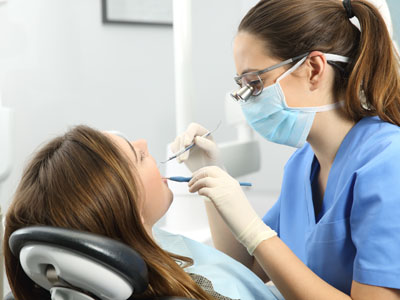
Keeping your smile healthy is a partnership between what you do at home and the professional care you receive in the dental office. Even the most careful brushing and flossing can miss microscopic plaque buildup and hardened tartar that form in hard-to-reach places. Professional dental cleanings remove those deposits, reduce infection risk, and give your care team a chance to detect small problems before they become serious. This page explains what a cleaning involves, why it matters for your whole-body health, and how to get the most benefit from each visit.
Plaque is a sticky film that harbors bacteria; when it is not fully removed, minerals in your saliva can harden it into tartar (calculus) that adheres tightly to tooth surfaces. Tartar cannot be removed with regular brushing, and it provides a protected environment where bacteria multiply. Left unchecked, this process contributes to tooth decay, gum inflammation, and the progressive bone loss seen in periodontal disease.
Professional cleanings eliminate the deposits that feed harmful bacteria and reduce inflammation in the gums. Removing these irritants helps gum tissue heal and reattach where possible, and it lowers the likelihood of deeper pockets developing around the teeth. Early intervention through routine cleanings is one of the most effective ways to prevent more invasive treatments later on.
Beyond protecting teeth and gums, maintaining a clean oral environment supports overall health. Chronic oral inflammation has been linked to conditions such as cardiovascular disease and poorly controlled diabetes. By controlling plaque and tartar, dental cleanings play a role in minimizing systemic inflammation and supporting your general wellness.
Your visit usually begins with a focused oral exam. The hygienist or dentist will review your medical history and perform a visual check of your teeth and gums to spot signs of gum disease, cavities, or other concerns. If necessary, routine X-rays or digital images are reviewed to look for issues that aren’t visible on the surface.
The cleaning itself typically involves two complementary techniques: scaling and polishing. Scaling removes plaque and tartar from tooth surfaces and just below the gumline, and it is often performed with a combination of hand instruments and an ultrasonic scaler. Polishing smooths tooth surfaces to remove surface stains and make it harder for plaque to re-accumulate quickly.
For many patients this is a comfortable, quick procedure. If deeper cleaning is needed or if you have sensitive areas, the team can adjust techniques and use topical numbing or other comfort measures to minimize discomfort. The appointment usually ends with flossing, a final rinse, and a review of any findings or recommendations for follow-up care.
Dental hygiene today blends time-tested hand instruments with modern technology to make cleanings efficient and gentle. Ultrasonic scalers use vibration and water to break apart deposits and flush debris from periodontal pockets, while precision hand scalers allow clinicians to remove stubborn buildup in tight spaces. Together these tools provide a thorough result with careful attention to patient comfort.
Clinics that emphasize preventive care often use supplemental tools such as intraoral cameras and digital radiography to document oral health and explain findings to patients. These visual aids make it easier to understand areas of concern and to track progress over time. Sterilization protocols and single-use barriers protect patient safety at every step.
At the office of SmileArts Dental, we prioritize techniques that reduce sensitivity and promote a comfortable experience. That may include shorter instrumentation passes, topical desensitizing agents, and clear communication throughout the appointment so you know what to expect and when to alert us if something feels uncomfortable.
The classic guideline of visiting twice a year is a solid starting point for many patients because it balances routine maintenance with prevention. Regular six-month cleanings remove new deposits before they harden into problematic tartar and give your provider a consistent opportunity to monitor gum health and detect early decay.
However, optimal frequency depends on your individual risk. People with active gum disease, a history of frequent cavities, certain medical conditions (like diabetes), or lifestyle factors such as tobacco use may need more frequent care—often every three to four months—so the disease process can be monitored and controlled. Conversely, patients with excellent oral health and low risk may sometimes follow an individualized schedule determined by their dental team.
Maintenance cleanings for patients with periodontal disease focus on preventing recurrence and stabilizing the tissues around the teeth. Your hygienist and dentist will recommend a personalized interval based on pocket depths, bleeding on probing, and other clinical indicators, and they will reassess that plan regularly to adapt it as your oral health changes.
Staying consistent with appointments is the best way to avoid escalation to more complex treatments. If you notice increased sensitivity, bleeding, persistent bad breath, or loose teeth between visits, call your dental office—early evaluation helps keep small problems from becoming big ones.
A professional cleaning provides a clean slate, but daily habits determine how long that clean feeling lasts. Brushing twice a day with a soft-bristled brush and fluoride toothpaste, combined with daily interdental cleaning (floss, interdental brushes, or water flosser), removes the plaque that builds up between visits. Technique matters: gentle, thorough strokes and attention to the gumline are more effective than aggressive scrubbing.
Diet and lifestyle choices also influence oral health. Frequent exposure to sugary or acidic foods encourages plaque formation and enamel erosion, while tobacco use accelerates gum disease and staining. Drinking water, choosing tooth-friendly snacks, and minimizing sugary beverages help preserve the results of a cleaning and reduce the need for corrective treatments.
Your dental team can recommend targeted products—such as specific toothpastes, mouth rinses, or interdental aids—based on your needs. Simple adjustments, like switching to flossing every night or using a prescribed antiseptic rinse for a short period, can dramatically lower inflammation and keep your gums healthy between professional visits.
Regular dental cleanings are a cornerstone of preventive care: they remove harmful deposits, reduce inflammation, and provide an opportunity for early detection of oral issues. By combining professional cleanings with effective daily hygiene and the individualized guidance from your dental team, you give your smile the best chance to stay healthy for life. If you’d like more information about dental cleanings or how often you should be seen, please contact us for details and personalized recommendations.


A professional dental cleaning is a clinical procedure performed by a licensed dental hygienist or dentist to remove plaque, tartar and surface stains from the teeth. The process typically combines scaling to eliminate hardened deposits with polishing to smooth tooth surfaces and reduce stain accumulation. Cleanings also include a focused oral exam so clinicians can identify early signs of decay, gum disease or other concerns.
These visits give your care team an opportunity to document gum health and recommend changes in home care or follow-up treatment when needed. Cleanings are a preventive tool that helps maintain healthy tissues around the teeth and can reduce the need for more invasive care later. At SmileArts Dental our hygienists use gentle techniques and modern instruments to deliver thorough, comfortable cleanings tailored to each patient.
Regular dental cleanings remove the bacterial plaque and tartar that brushing and flossing alone cannot fully eliminate, which lowers the risk of tooth decay and gum disease. Controlling oral inflammation helps protect the supporting bone and soft tissues that keep teeth stable, and it limits the progression of periodontal problems. Because chronic oral inflammation is associated with systemic conditions such as cardiovascular disease and blood sugar instability, maintaining oral health can support general wellness.
Cleanings also allow early detection of oral problems before they require complex treatments, which contributes to better long-term outcomes. By keeping bacterial levels and inflammation low, you reduce microbial challenges that can affect other parts of the body. Regular prevention saves time and preserves function and comfort for years to come.
A typical cleaning begins with a short medical and dental history review and a focused oral exam to check for signs of disease, damaged restorations or suspicious lesions. The hygienist then uses ultrasonic instruments and hand scalers to remove plaque and tartar from above and slightly below the gumline, followed by polishing to smooth tooth surfaces and reduce staining. The appointment usually ends with flossing, a final rinse and a discussion of findings and any recommended follow-up care.
If X-rays or digital imaging are due, the clinician will review those images to detect issues not visible during the exam. Comfort measures such as topical desensitizers, shorter instrumentation passes, or local anesthetic can be offered for areas of sensitivity. Your clinician will document pocket depths, bleeding on probing and other indicators to guide future maintenance intervals.
Most patients experience only mild discomfort or sensitivity during routine cleanings, and many find the procedure comfortable with minor pressure and vibration. If you have sensitive gums, exposed root surfaces, or active periodontal pockets, certain areas may feel tender during scaling, but clinicians often use topical desensitizing agents or adjust technique to minimize discomfort. Clear communication with your hygienist during the appointment helps them tailor the approach and pause if you need a break.
For patients with significant gum disease or deeper pockets, the clinician may recommend phased treatment or additional measures that can include numbing to ensure comfort. Sedation options exist for patients with severe anxiety or special needs, and your dentist can discuss those choices during your consultation. The goal is to make the visit as gentle and effective as possible while achieving a healthy oral environment.
The commonly recommended interval for many patients is every six months because it balances preventive maintenance with practical scheduling to limit tartar buildup and allow early detection of problems. Individual needs vary, however, and people with active gum disease, a history of frequent cavities or certain medical conditions may need cleanings every three to four months. Your dental team will evaluate risk factors such as pocket depths, bleeding on probing and medical history to create a personalized recall schedule.
When periodontal maintenance is required, the focus shifts to preventing recurrence and stabilizing tissues around the teeth, and intervals are set based on clinical response. Consistent attendance at recommended appointments is one of the most effective ways to avoid escalation to more complex therapies. If you notice changes such as increased bleeding, sensitivity or loose teeth between visits, contact your office promptly for evaluation.
A routine cleaning, often called prophylaxis, focuses on removing plaque and tartar above and slightly below the gumline for patients with generally healthy gums. A deep cleaning, commonly referred to as scaling and root planing, is a more extensive treatment that targets hardened deposits and bacterial toxins below the gumline and on the root surfaces to treat periodontal disease. Deep cleanings are typically performed when pocket depths, bleeding and bone loss indicate active gum disease and require careful follow-up.
Deep cleanings are usually completed in multiple visits depending on severity and patient comfort and may be accompanied by adjunctive therapies such as localized antimicrobials or prescribed rinses. After active therapy, patients enter a regular maintenance program to monitor healing and prevent recurrence. Your dentist will explain which approach is appropriate based on clinical examination and diagnostic imaging.
Preparation for a cleaning is simple: arrive with a current list of medications and any changes in your medical history, and brush and floss as usual before your visit to allow the clinician to assess typical plaque patterns. If you experience dental anxiety, discuss comfort options with the office ahead of time so they can plan accordingly. Notify the team of recent procedures, implants, or health conditions such as pregnancy or diabetes that may affect care.
If you are due for X-rays or have specific concerns like persistent sensitivity or bleeding, mention those when scheduling so the appointment can be allocated enough time. Wearing comfortable clothing and communicating any concerns at the start of the visit helps the clinical team provide an efficient and reassuring experience. Arrive a few minutes early if you need to complete or update health forms.
Cleanings include polishing, which effectively removes many surface stains caused by coffee, tea, tobacco and foods, improving the brightness and smoothness of tooth enamel. Polishing and stain removal are cosmetic benefits of a professional cleaning but they do not change intrinsic tooth color or provide the whitening effects delivered by professional bleaching treatments. If deeper discoloration exists, the dentist can discuss cosmetic options such as in-office whitening or at-home systems tailored to your needs.
Regular cleanings help maintain a brighter smile by keeping surfaces free of stain-accumulating deposits and plaque. Patients who smoke or consume stain-promoting foods may notice faster reappearance of surface discoloration and can benefit from more frequent polishing or targeted hygiene coaching. Your clinician can recommend safe polishing techniques and post‑cleaning care to prolong results.
Yes, certain medical conditions and medications can influence oral health and how cleanings are performed; for example, diabetes and some systemic illnesses increase the risk for periodontal disease and may require more frequent maintenance. Medications that cause dry mouth or alter bleeding risk can affect plaque accumulation and treatment choices, so sharing a complete medication list is important. The dental team will adjust techniques and recommend adjunctive products or shorter recall intervals based on your overall health.
For patients with sensitive gums, clinicians may use topical desensitizers, lower-power ultrasonic settings, or slower instrumentation to improve comfort. If you are pregnant, recently hospitalized, or have a condition that affects immune response, notify the practice so timing and precautions can be planned. Coordination with your physician is sometimes recommended for patients with complex medical histories.
Daily oral hygiene is essential for prolonging the effects of a professional cleaning: brush twice a day with fluoride toothpaste, clean between teeth daily using floss or interdental brushes, and consider an antimicrobial or fluoride rinse if recommended by your clinician. Diet and lifestyle choices—such as reducing frequent sugar exposure, limiting acidic beverages, and avoiding tobacco—also play a major role in preserving gum health and preventing rapid re-accumulation of deposits. Consistency with these habits reduces inflammation and helps maintain stable periodontal conditions.
Regular follow-up visits as advised by your dental team allow clinicians to monitor changes and reinforce effective home care strategies. If you have specific concerns or need product recommendations, your hygienist can suggest toothbrushes, interdental aids or rinses that match your needs. Your dental team at SmileArts Dental will work with you to create a practical maintenance plan that supports lasting oral health.

Ready to Experience the SmileArts Dental Difference?
We’re here to help you take the next step toward a healthier, more confident smile. Whether you’re ready to schedule an appointment or want to learn more about our services, our friendly team is ready to assist you.
Our staff is happy to answer questions about treatment options, help you schedule your visit, and provide any information you need. Give us a call or fill out our quick online form today—we can’t wait to hear from you!