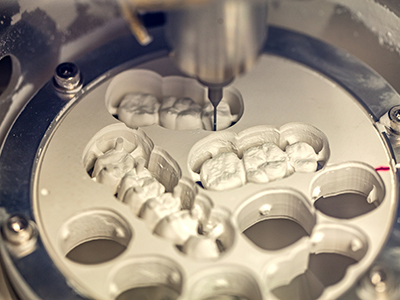
Having a fully equipped dental lab inside a practice changes how care is delivered. Instead of sending impressions or scans to an external facility and waiting through multiple handoffs, your treatment team can coordinate directly with the technicians who create crowns, bridges, dentures, and other restorations. That direct line of communication reduces misunderstandings, speeds decision-making, and helps ensure that the final result meets both clinical needs and patient expectations.
For patients, that translates into fewer appointments, less waiting time, and fewer adjustments. Because the lab technicians are available on site, they can review cases in person, consult with clinicians during fittings, and make immediate refinements when necessary. That hands-on collaboration minimizes surprises and helps restorations function comfortably from day one.
Beyond convenience, an onsite lab supports better continuity of care. When the people fabricating your appliance are part of the same team managing your treatment plan, your dentist can follow each step of the process more closely. This integrated approach improves accountability and makes it easier to maintain consistent standards across every restoration or prosthesis.
Contemporary dental labs combine time-honored techniques with advanced materials science to produce restorations that are strong, biocompatible, and lifelike. Common options include ceramics, zirconia, porcelain-fused-to-ceramic, and durable resin materials—each chosen for its balance of strength, translucency, and wear characteristics. A skilled technician will match the material to the location and function of the tooth, optimizing both longevity and appearance.
Along with material selection, craftsmanship matters. Onsite technicians work closely with clinicians to evaluate occlusion, contact points, and shade under natural light, allowing for fine-tuning that improves comfort and esthetics. This attention to detail reduces the need for repeat visits and helps restorations integrate seamlessly with surrounding teeth.
Many in-house labs also maintain tight inventory control over their materials and instruments, which fosters consistent results. By choosing proven suppliers and following manufacturer guidelines for handling and processing, an onsite lab can deliver predictable outcomes that align with the practice’s clinical standards.
One of the clearest advantages of an in-house dental lab is speed. When the lab and the clinical team are under the same roof, workflows shrink from days or weeks to hours in many cases. This is especially beneficial for single-unit crowns, temporary repairs, or adjustments that would otherwise require multiple visits or interim prostheses.
Rapid turnaround doesn’t mean cutting corners. Instead, it reflects efficient project management and fewer transfer points where information can be lost. Technicians can examine impressions or digital scans immediately, discuss treatment goals with the dentist, and set priorities based on clinical urgency. That responsiveness helps patients get back to their normal routines sooner with restorations that perform well.
Digital tools amplify this speed advantage. When an office uses intraoral scanning and CAD/CAM workflows, designs can be shared instantly with onsite technicians and milled or printed in the same day. The combined effect of digital technology and close collaboration is a more patient-centered experience with timely, reliable solutions.
A successful restoration is judged by how natural it looks and how comfortably it functions. In-house labs enable a level of personalization that is difficult to achieve through remote production alone. Technicians can work from detailed photographic records, facial references, and live shade checks to reproduce color subtleties and surface textures that match a patient’s existing dentition.
Fit is equally important. When technicians are available for chairside adjustments, they can refine margins, contours, and occlusal contacts while the patient is present. This collaborative approach minimizes post-insertion soreness and reduces the likelihood of future complications associated with poor fit, such as food traps or uneven wear.
For full and partial dentures, the advantage of onsite fabrication is particularly clear. Technicians can perform try-ins, assess vertical dimension and phonetics in real time, and make incremental changes that preserve comfort and natural speech. The result is a prosthesis that feels more like an extension of the patient’s mouth rather than an external appliance.
An on-premises lab gives the clinical team direct oversight of quality-control procedures—from material inspection to final polish. Having technicians and clinicians collaborate on verification checks ensures that each restoration meets the practice’s standards before it reaches the patient. This active oversight reduces the risk of remakes and helps maintain consistent clinical outcomes.
Longevity is a central concern for patients, and sound laboratory practices play a major role. Proper sintering, layering, glazing, and finishing protocols contribute to the structural integrity and wear resistance of restorations. When technicians are part of the same practice, they are more likely to adhere to established protocols and respond quickly if an issue arises.
Additionally, the ability to perform prompt repairs or adjustments in-house protects patients from prolonged discomfort or inconvenience. If a restoration is damaged or a prosthesis requires tweaking, the practice can often address the problem faster than if materials had to travel between multiple external vendors. That responsiveness supports long-term satisfaction and helps maintain oral health over time.
In summary, an onsite dental lab brings clinical, technical, and practical benefits that center on precision, speed, and patient comfort. By keeping fabrication close to the point of care, our team delivers restorations that are carefully matched, thoroughly inspected, and efficiently delivered. SmileArts Dental integrates these capabilities into its treatment approach to provide reliable, personalized results. Contact us to learn more about how our in-house lab supports better outcomes and to discuss how it can improve your next restorative or prosthetic treatment.


An onsite dental lab is a fully equipped facility within a dental practice where crowns, bridges, dentures, and other restorations are created. Having a lab on-site allows for direct communication between the dentist and technicians, faster turnarounds, fewer appointments, and precise results that meet both clinical needs and patient expectations.
When a lab is located within the practice, workflows shrink significantly because there’s no need to send impressions or scans to an external facility. Technicians can review cases immediately, consult with dentists during fittings, and make necessary adjustments on the spot, often completing restorations in hours rather than days or weeks.
Onsite labs utilize advanced materials such as ceramics, zirconia, porcelain-fused-to-ceramic, and durable resins. Skilled technicians select materials based on strength, translucency, and location of the tooth to ensure longevity, functionality, and natural aesthetics in each restoration.
Yes. Technicians working onsite can perform live shade checks, analyze occlusion, and make chairside adjustments while the patient is present. This level of personalization ensures a comfortable fit, natural appearance, and reduces post-insertion complications such as soreness or food traps.
With an onsite lab, the dental team has direct oversight of quality control from material inspection to final polish. Clinicians and technicians collaborate to ensure every restoration meets high standards, reducing the risk of remakes and ensuring consistent, reliable outcomes for patients.
Long-term benefits include faster repairs or adjustments, improved patient comfort, consistent quality, and restorations that are durable and precisely fitted. Having the lab in-house also enhances communication between the dentist and technicians, supporting better oral health outcomes and patient satisfaction over time.

Ready to Experience the SmileArts Dental Difference?
We’re here to help you take the next step toward a healthier, more confident smile. Whether you’re ready to schedule an appointment or want to learn more about our services, our friendly team is ready to assist you.
Our staff is happy to answer questions about treatment options, help you schedule your visit, and provide any information you need. Give us a call or fill out our quick online form today—we can’t wait to hear from you!