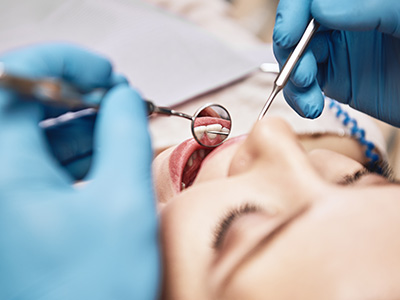
DIAGNOdent® is a handheld laser fluorescence device designed to help clinicians detect dental decay that might be missed during a visual exam. Instead of relying solely on sight and tactile feedback, the instrument measures the way tooth structure fluoresces when exposed to a specific laser wavelength. Areas with bacterial activity and demineralization reflect a different signal than healthy enamel, producing numeric readings that assist the clinician in identifying suspicious sites.
Because it provides an objective measurement, DIAGNOdent® is particularly useful for evaluating pits, fissures and other hard-to-see surfaces where early decay often begins. It does not replace a comprehensive clinical exam or radiographs, but rather complements them by highlighting locations that warrant closer inspection. This layered approach helps clinicians form a more complete picture of a patient’s oral health.
Patients benefit from the noninvasive, painless nature of the test. The pen-like tip is gently applied to the tooth surface for a few seconds, generating a readout without the need for drilling or probing. For parents and adults alike, the technology offers reassurance that small lesions can be caught before they progress to more extensive restorations.
Detecting decay at its earliest stages preserves natural tooth structure and reduces the likelihood of more invasive treatment later on. Small, localized demineralization can often be managed with targeted preventive measures—fluoride, sealants, or intensified home care—rather than fillings or crowns. DIAGNOdent® helps clinicians find those early changes so treatment can be conservative and focused.
Early intervention also reduces the risk of complications such as pulp involvement and infection, which carry greater discomfort and more complex procedures. By identifying areas of concern before they become symptomatic, clinicians can prioritize monitoring or minimally invasive treatment and avoid the cycle of repeated restorations that compromise tooth strength over time.
Finally, timely detection supports better long-term outcomes for overall oral health. When decay is addressed early, maintenance strategies become more effective, and patients maintain their natural teeth longer. This approach aligns with modern dentistry’s emphasis on prevention, preservation, and minimally invasive care.
A DIAGNOdent® assessment is quick and straightforward. After a routine cleaning or exam, the clinician will dry the tooth surface and gently pass the device’s tip across pits, fissures, and other suspect areas. The clinician observes numeric values and an audible signal that corresponds to the fluorescence reading. Higher numbers indicate greater likelihood of bacterial byproducts and demineralization, prompting further evaluation.
Interpreting the readings requires clinical judgment: numbers are considered alongside visual inspection, bitewing radiographs, patient history, and risk factors such as diet or previous decay. A single elevated reading does not automatically mean a cavity needs restoration; it often leads to closer monitoring, preventive treatment, or selective restoration when appropriate.
For patients, the process is comfortable and reassuring. Because the device is noninvasive and detects change before pain occurs, many patients appreciate the proactive nature of the assessment. Clinicians can use the results to explain findings visually and numerically, making it easier for patients to understand why a specific treatment or monitoring plan is recommended.
DIAGNOdent® is most effective when used as part of a multi-modal diagnostic strategy. Radiographs reveal decay between teeth and under restorations, while visual and tactile exams detect surface discoloration, softening, or obvious breakdown. DIAGNOdent® adds sensitivity for early enamel and dentin changes in grooves and fissures that are often radiographically occult or missed during standard inspection.
Combining methods reduces false negatives and improves confidence in treatment planning. For example, an area with a borderline radiographic appearance but elevated DIAGNOdent® values may warrant a preventive approach with repeat monitoring at shorter intervals. Conversely, concordant findings across modalities make the case for restorative treatment more compelling.
Ultimately, the goal is to avoid both overtreatment and undertreatment. By integrating DIAGNOdent® findings with other diagnostic information, clinicians can tailor care to each patient’s circumstances and risk profile, offering focused interventions when truly necessary and conservative management when appropriate.
When selecting dental care, patients should look for practices that invest in modern diagnostic technology and emphasize preventative strategies. A practice that routinely employs DIAGNOdent® demonstrates a commitment to early detection and minimally invasive treatment planning. That means fewer surprises for patients and more opportunities to preserve natural tooth structure.
At the office of SmileArts Dental, clinicians pair advanced tools with clinical experience and patient education, ensuring that device readings translate into sensible, individualized care plans. Whether a patient requires monitoring, topical therapies, or a targeted restoration, the emphasis remains on maintaining function and appearance while minimizing future risk.
Using evidence-based diagnostics like DIAGNOdent® supports a collaborative treatment model: clinicians share findings, outline options, and help patients understand how preventive steps can change outcomes. This transparency helps patients make informed choices and take an active role in protecting their oral health.
DIAGNOdent® represents a meaningful advance in the early detection of dental decay by providing objective, noninvasive information that complements traditional exams and radiographs. Its ability to identify lesions in pits, fissures, and other vulnerable areas makes it a valuable tool for preserving healthy tooth structure and guiding conservative care.
If you value a preventive approach and want diagnostic care that emphasizes preservation and early intervention, consider asking your dental team about DIAGNOdent® during your next visit. Clinicians use the device as part of a comprehensive evaluation to tailor monitoring and treatment recommendations to each patient’s needs.
Contact us for more information or to learn how this technology might fit into your individualized dental plan.


DIAGNOdent® is a handheld laser fluorescence device that helps detect early dental decay. It measures how tooth structure fluoresces under a specific laser wavelength, producing numeric readings that indicate areas of demineralization and bacterial activity, complementing visual exams and radiographs.
Early detection preserves natural tooth structure, allows for conservative treatments like fluoride or sealants, reduces the need for fillings or crowns, and prevents complications such as pulp infection. Detecting decay early supports long-term oral health and minimizes invasive procedures.
No, the DIAGNOdent® test is noninvasive and painless. The pen-like tip is gently applied to the tooth surface for a few seconds, generating numeric readings without drilling or probing, making it comfortable for patients of all ages.
Readings from DIAGNOdent® are interpreted alongside visual exams, radiographs, patient history, and risk factors. High values may prompt preventive care, closer monitoring, or selective restoration. The device helps dentists make informed, conservative treatment decisions.
No, DIAGNOdent® does not replace comprehensive clinical exams or radiographs. It is a complementary tool that enhances sensitivity for detecting early decay in pits, fissures, and other hard-to-see areas, improving overall diagnostic accuracy.
Practices that use DIAGNOdent® demonstrate a commitment to early detection and minimally invasive care. This technology allows clinicians to catch cavities sooner, plan conservative treatments, and educate patients about preventive strategies to maintain healthy teeth over time.

Ready to Experience the SmileArts Dental Difference?
We’re here to help you take the next step toward a healthier, more confident smile. Whether you’re ready to schedule an appointment or want to learn more about our services, our friendly team is ready to assist you.
Our staff is happy to answer questions about treatment options, help you schedule your visit, and provide any information you need. Give us a call or fill out our quick online form today—we can’t wait to hear from you!