At the office of SmileArts Dental, your comfort and long-term oral health guide every recommendation we make. Our team approaches extractions with the primary goal of preserving overall function and preventing future complications. While saving a natural tooth is always preferred, removing a tooth can sometimes be the most responsible choice for maintaining a healthy mouth.
Decisions about extraction are never rushed. We combine a careful clinical exam, digital imaging when appropriate, and a clear discussion of alternatives to help you understand why removal may be recommended. That shared decision-making helps patients feel informed and confident about the path forward.
Extractions can be straightforward or complex depending on the tooth’s condition and its relationship to surrounding anatomy. Regardless of the type of extraction required, our team focuses on minimizing discomfort, reducing risk, and planning follow-up care so healing and restoration proceed smoothly.
An over-retained primary (baby) tooth
Primary teeth usually make way for permanent teeth on their own. Occasionally a baby tooth remains firmly attached because its roots did not resorb properly or it has fused to the underlying bone. When that happens, the retained tooth can block the eruption pathway of the permanent tooth and may need to be removed to allow normal development.
A permanent tooth with extensive, non-restorable decay
Tooth decay begins at the enamel and, if untreated, advances deeper into the tooth. When structural damage reaches a point where a reliable restoration is no longer possible, extraction is the safest option to prevent persistent infection and pain that could affect adjacent teeth and general health.
Severe fractures or cracks that compromise tooth structure
Teeth can fracture in many ways. Small chips are often repairable, but deep cracks or fractures that extend into the root or separate tooth segments may leave insufficient structure to restore. In those cases, removal prevents ongoing discomfort and potential complications.
Advanced periodontal (gum) disease
When periodontal disease has caused significant loss of the bone and soft tissue that support a tooth, the tooth can loosen and become a source of infection. Extracting severely compromised teeth can stop disease progression and create a healthier environment for remaining teeth.
Impacted or problematic wisdom teeth
Third molars are the last teeth to develop and frequently lack enough space to erupt properly. Impacted or poorly positioned wisdom teeth can cause crowding, damage to neighboring teeth, recurrent decay, or pain. Early evaluation helps determine whether removal now will prevent issues later.
Orthodontic treatment that requires space
When the jaw cannot accommodate all permanent teeth, carefully selected extractions may be part of an orthodontic plan to create space and achieve a balanced, functional bite. These decisions are made in coordination with your orthodontic goals and overall oral health considerations.

Before any extraction, we review your medical history, current medications, and any special health concerns that could affect treatment. That conversation helps us determine if additional precautions — such as antibiotic coverage, a medication adjustment, or clearance from your physician — are advisable to keep you safe during and after the procedure.
We typically use targeted diagnostic tools, including digital radiographs, to view the tooth and surrounding structures. These images inform whether a tooth can be removed simply or if a surgical approach will be required. We’ll explain our findings and the recommended plan in straightforward terms so you know what to expect.
Local anesthesia reliably numbs the area for the vast majority of cases. For patients with dental anxiety or for more invasive procedures, we also offer sedation options to promote relaxation. Our priority is to control pain and anxiety so the experience is as stress-free as possible.
When planning for extraction we also discuss tooth replacement options if needed. Removing a tooth is often the first step in a longer treatment plan that may include temporary restorations, or later consideration of bridges, dentures, or implants to restore function and appearance.
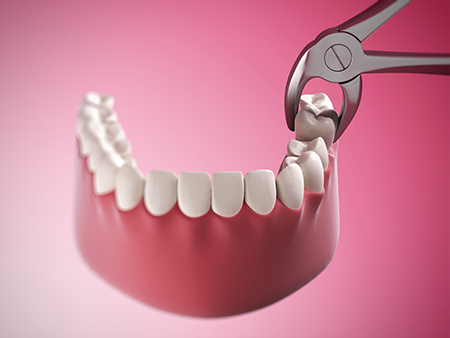
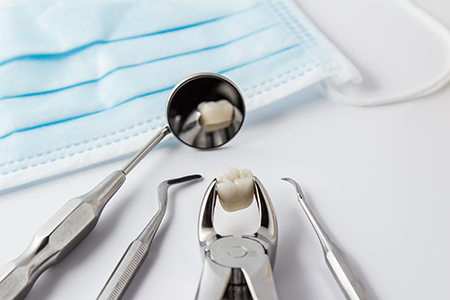
Simple extractions are performed on teeth that are visible in the mouth and have uncomplicated root anatomy. After numbing the area with local anesthetic, the dentist gently loosens the tooth by carefully separating the fibers that attach it to the bone and then applies forceps to remove it.
The goal with a simple extraction is to remove the tooth efficiently while preserving as much surrounding tissue as possible. Most patients feel pressure but no sharp pain during the procedure, and the appointment is often completed in a single visit.
If you tend to feel anxious about dental treatment, we’ll review available sedation choices beforehand. Proper pain control and a calm environment are part of our standard approach for patient comfort.
Surgical extractions are necessary when a tooth is broken at the gum line, fused to the jawbone, or impacted below the gum surface. These procedures involve a small incision in the soft tissue and, when required, limited removal of bone to gain access to the tooth.
For complex surgical cases we may work with or refer to an oral and maxillofacial surgeon who specializes in advanced extractions. These specialists have the training and equipment to manage challenging anatomy while controlling risk and optimizing outcomes.
Regardless of whether the procedure is performed in our office or by a specialist, patients receive detailed pre-surgical instructions, effective anesthesia, and an explanation of post-operative care to support a smooth recovery.
Recovery times vary depending on the complexity of the extraction and individual healing responses. In most simple cases, initial healing occurs over several days with soft tissue closure over a few weeks. Following instructions closely during the first 24–72 hours dramatically reduces the risk of complications and promotes predictable healing.
We provide specific guidance tailored to the procedure performed, including activity restrictions, medication recommendations, and signs to watch for that may require follow-up. Proper care in the early postoperative period prevents common issues such as dry socket and infection.
Maintaining open communication with our team during recovery helps us address concerns quickly and adapt care if unusual symptoms arise. Routine follow-up allows us to monitor healing and advise on the timing of any needed restorative work.
Maintain firm but gentle gauze pressure
You will be asked to bite on sterile gauze over the extraction site to encourage clot formation. Replace the gauze as instructed and keep gentle pressure in place until bleeding slows. Minor oozing can continue for up to 24 hours; if heavy bleeding persists, notify our team.
Protect numb tissues
Avoid chewing, touching, or biting the lips, cheeks, or tongue while anesthesia is present. Numbness can last several hours and accidental injury is common if care is not taken.
Follow medication instructions
Antibiotics:
If an antibiotic is prescribed, take the full course exactly as directed to reduce the risk of infection.
Pain control:
Taking an analgesic before the anesthetic wears off can help manage initial discomfort. Use over-the-counter or prescribed medications only as recommended and follow dosing instructions carefully.
Avoid disturbing the clot
Do not rinse vigorously, spit forcefully, use a straw, or perform activities that create suction in your mouth for the first 24–48 hours. These actions can dislodge the clot and delay healing.
Control swelling with ice
Apply an ice pack to the cheek near the extraction site in 10-minute intervals during the first day to help limit swelling and soothe discomfort.
Avoid smoking and tobacco
Smoking interferes with clot formation and slows healing. Refrain from tobacco use for at least one week after the procedure to reduce complications.
Choose soft, cool foods
Stick to a soft-food diet for the first couple of days and avoid hot or spicy items. Staying hydrated with non-carbonated, non-alcoholic beverages supports recovery.
Gentle oral hygiene
Keep the mouth clean while protecting the surgical area. Brush carefully away from the extraction site and, when appropriate, rinse gently with a mild saltwater solution to refresh the mouth — avoiding forceful spitting.
Attend follow-up care
If sutures were placed or the extraction was complex, a follow-up appointment will be scheduled to monitor your recovery. Keeping that visit helps ensure expected healing and timely progression to any restorative steps.
If you experience persistent bleeding, worsening pain, increased swelling, a bad taste that does not resolve, or other concerning symptoms, please contact our office for guidance and, if necessary, timely evaluation.
Our approach to extractions emphasizes safety, clear communication, and planning for the next steps after removal. The clinical team combines experience with modern diagnostic tools and a focus on comfort to make the treatment efficient and as comfortable as possible.
When a tooth is removed, we discuss appropriate replacement options based on your priorities and oral health. Options may include temporary solutions, dentures, fixed bridges, or dental implants when indicated. We explain the benefits and limitations of each approach so you can make an informed choice.
Because extraction is often only one part of a larger restorative or orthodontic plan, we coordinate care with specialists and tailor timelines to your needs. That coordination reduces surprises and supports a predictable path from extraction to full recovery and restoration.
To learn more about the extraction process or to discuss whether extraction is the right step for your situation, please contact us for more information.


Tooth extraction becomes necessary when keeping the tooth would threaten oral health, function, or comfort. Common reasons include extensive decay that cannot be reliably restored, severe fractures that compromise structural integrity, advanced periodontal disease with significant bone loss, or impacted wisdom teeth that cause pain or damage to neighboring teeth. Extractions may also be recommended as part of orthodontic treatment or when a primary tooth prevents normal eruption of a permanent tooth.
Decisions about removal are based on a careful clinical exam and diagnostic imaging and always include a discussion of viable alternatives. Your dental team will explain the reasons for recommending extraction, review potential risks and benefits, and outline follow-up plans so you can make an informed choice about your care at SmileArts Dental.
A simple extraction is performed on a tooth that is visible in the mouth and has relatively straightforward root anatomy. After numbing the area with local anesthetic, the dentist gently mobilizes the tooth and removes it using forceps; most simple extractions are completed in a single visit with minimal intervention.
Surgical extractions are required when a tooth is broken at the gum line, impacted beneath the soft tissue, or fused to the bone and cannot be removed with forceps alone. These procedures involve a small incision, possible removal of a tiny amount of bone, and careful suturing when needed, and they may be performed by the practice or referred to an oral and maxillofacial surgeon for complex cases.
Preparation begins with a review of your medical history, current medications, and any allergies so the dental team can identify precautions and create a safe plan. If you take blood thinners or have a medical condition that affects healing, your dentist may consult with your physician before the procedure to determine the best approach for your safety.
Follow any preoperative instructions provided by the office, such as fasting requirements when sedation is planned, and arrange transportation if you will receive sedative medication. Bring a list of medications and questions to your appointment so the team can confirm details and tailor care to your needs.
Local anesthesia is used in most extraction procedures to numb the treatment area and control pain during the appointment. It provides reliable pain control for routine cases while you remain awake and responsive throughout the procedure.
For patients with dental anxiety or for more invasive extractions, the practice also offers sedation options to promote relaxation and comfort. These may include nitrous oxide, oral sedation, or intravenous sedation when appropriate, and the dental team will review risks, benefits, and monitoring procedures to select the safest option for each patient.
Initial recovery typically involves mild to moderate discomfort, swelling, and minor bleeding during the first 24 to 72 hours, which can be managed with prescribed or over-the-counter pain medication and supportive measures. Formation of a stable blood clot at the extraction site is an important first step in healing, and following aftercare instructions reduces the risk of complications such as dry socket.
Soft tissue closure usually progresses over a few weeks, while underlying bone remodels over several months depending on the complexity of the extraction. Your dental team will schedule follow-up as needed to monitor healing and advise on the timing of any restorative treatments to replace the missing tooth.
Protecting the blood clot in the first 24 to 48 hours is central to preventing dry socket; avoid actions that create suction in the mouth such as using a straw, vigorous rinsing, or forceful spitting. Refrain from smoking and tobacco use for at least a week after the extraction because these activities interfere with clot formation and delay healing.
Follow medication directions exactly if antibiotics or pain relievers are prescribed and maintain gentle oral hygiene to keep the area clean without disturbing the surgical site. If you notice increasing pain, heavy bleeding, or signs of infection, contact the office promptly so the team can evaluate and provide appropriate care.
A referral to an oral and maxillofacial surgeon is often recommended for extractions that involve complex anatomy, deeply impacted teeth, roots close to nerves or sinuses, or when general anesthesia is likely to be necessary. Patients with significant medical complexities or those requiring advanced surgical techniques may also benefit from specialist care to reduce risk and optimize outcomes.
When a referral is made, the general dentist and the specialist coordinate care to ensure consistent preoperative planning, anesthesia considerations, and postoperative instructions. That collaboration helps maintain continuity and supports a predictable recovery and restorative plan.
Replacing a missing tooth is often recommended to restore chewing function, maintain proper alignment of surrounding teeth, and preserve bone volume over time. Common restorative options include dental implants, fixed bridges, and removable partial dentures, each with distinct clinical indications based on your oral health, bone support, and long-term goals.
Timing of replacement can be immediate, delayed, or staged, and in some cases a bone graft may be advised to prepare the site for an implant. Your dentist will discuss the benefits and limitations of each option and develop a personalized plan that aligns with your restorative needs and overall dental health.
Yes, children can safely undergo tooth extractions when clinically necessary, and pediatric care emphasizes behavior management, comfort, and long‑term dental development. Over-retained primary teeth that block eruption of permanent teeth, extensive decay, or trauma may require removal, and the dental team will evaluate growth factors before recommending extraction.
Sedation and anesthesia choices are tailored to the child’s age, cooperation level, and medical history, with parental involvement in planning and consent. Aftercare focuses on gentle oral hygiene, proper nutrition, and monitoring eruption of permanent teeth to support healthy development.
Contact the office promptly if you experience heavy or uncontrolled bleeding, a fever, severe pain that does not respond to medication, or rapidly increasing swelling after the first couple of days. These symptoms can indicate infection, a lost clot, or other complications that benefit from timely clinical evaluation.
Also reach out if you notice persistent numbness, a bad taste or odor that does not improve, or if sutures become loose and you have concerns about healing. Our team at SmileArts Dental will help assess symptoms, provide guidance, and schedule an appointment if further care is needed.

Ready to Experience the SmileArts Dental Difference?
We’re here to help you take the next step toward a healthier, more confident smile. Whether you’re ready to schedule an appointment or want to learn more about our services, our friendly team is ready to assist you.
Our staff is happy to answer questions about treatment options, help you schedule your visit, and provide any information you need. Give us a call or fill out our quick online form today—we can’t wait to hear from you!