Missing teeth change how a smile looks and how a mouth functions. Dental implants are a contemporary, predictable way to replace lost teeth and restore everyday activities such as chewing, speaking, and smiling with confidence. By integrating directly with the jawbone, implants recreate the stability and comfort that natural teeth provide, helping patients regain both function and poise.
Every case starts with a careful evaluation: medical and dental history, a clinical exam, and imaging when needed. These steps let the dental team determine whether implants are the right choice and which restorative route—single crown, bridge, or full-arch solution—will deliver the best result for the individual’s needs and goals. The aim is a long-lasting, natural-looking outcome that fits each person’s lifestyle.
At the office of SmileArts Dental, we combine modern implant technology with a patient-first approach. Our goal is to make the process understandable and manageable, so patients feel informed and comfortable at every stage—from initial consultation through final restoration and follow-up care.

Dental implants are biocompatible titanium posts surgically placed into the jawbone to act as artificial tooth roots. Once the implant integrates with the bone—a process called osseointegration—it provides a firm foundation for crowns, bridges, or dentures. Because the implant replaces the root as well as the visible tooth, it supports normal function and helps preserve the bone around the missing tooth.
The restorative tooth built on top of an implant is designed to match surrounding teeth in color, shape, and alignment. This coordinated approach ensures an appearance that feels and looks authentic while helping to maintain facial structure and chewing ability over time.
Implants are often chosen because they closely mimic the natural tooth in both form and function. Unlike removable dentures, implants are fixed and stable, eliminating concerns about slipping or changing fit during everyday activities. Patients frequently report improved ability to eat a wider variety of foods and greater ease with speech when implants replace missing teeth.
Beyond immediate comfort and function, implants help protect oral health. By stimulating the jawbone where a tooth is missing, implants slow or prevent the bone loss that can lead to changes in facial profile and additional dental problems. Implants also preserve neighboring teeth because they do not require the reduction of adjacent tooth structure like some bridge solutions do.
With proper placement, hygiene, and regular dental care, implants are an enduring option. They are resistant to decay and, when maintained correctly, offer predictable performance that supports a healthy, natural-feeling smile for many years.
Implant therapy is flexible and can be tailored to match the number of missing teeth and the patient’s oral health. For a single missing tooth, an individual implant topped with a custom crown restores a tooth without affecting neighboring teeth. This preserves more healthy tooth structure and offers a long-term, low-maintenance solution.
For several adjacent missing teeth, implant-supported bridges allow multiple replacement teeth to be supported by implants rather than relying on altered natural teeth. This approach maintains bone stimulation and reduces the need to modify healthy teeth to serve as bridge anchors.
When a patient has lost all or most teeth, full-arch implant solutions provide stable, natural-feeling replacement options. Depending on the case, a full arch can be supported by a series of implants—sometimes as few as four to six—to hold a fixed prosthesis or an implant-retained overdenture. These designs restore the form and function of the complete dental arch while improving comfort and speech compared with conventional dentures.
A single implant restored with a crown replaces one lost tooth without involving adjacent teeth. The result looks and performs like a natural tooth, providing a discreet, durable restoration.
When two or more teeth are missing in a row, an implant-supported bridge uses strategically placed implants to carry multiple connected crowns, preserving nearby teeth and maintaining bone health.
For patients who want a permanent solution to extensive tooth loss, a full-arch restoration anchored by several implants offers a non-removable prosthesis that delivers excellent stability and function.
This option secures a removable denture to implants for improved retention and comfort while allowing the prosthesis to be removed for cleaning when desired.
Successful implant care begins with a thorough plan that accounts for the patient’s overall health, jawbone condition, and aesthetic goals. Diagnostic imaging and 3D scans help map the optimal implant locations and angles to support the final restorations while protecting vital anatomical structures.
Placing an implant is typically performed as an outpatient procedure. The complexity varies depending on the number of implants and whether preparatory treatments—such as extractions or bone grafting—are necessary. The clinical team will review anesthesia and sedation options and provide clear pre- and post-operative instructions to help manage comfort and recovery.
Following placement, a healing period allows the implant to integrate with the bone. In some cases, a temporary restoration can be attached immediately, while other situations require a brief healing interval before the permanent crown, bridge, or denture is placed. Throughout this phase, regular follow-up visits ensure healing progresses and the final prosthesis will be supported by a stable foundation.
Long-term success with implants depends on consistent oral hygiene and routine dental care. Brushing, flossing, and periodic professional cleanings remove plaque and help safeguard the soft tissues around implants. During checkups, the dental team assesses the health of the implants, surrounding gums, and bone to catch potential issues early and address them promptly.
Some patients need supplemental procedures to create the right conditions for implant placement. Bone grafting, for example, rebuilds lost bone volume when there is insufficient support to hold an implant. Gum tissue enhancement or a sinus lift may be recommended in specific areas to ensure the implant is properly supported and the final restoration looks natural.
When these additional steps are part of the plan, they are chosen to improve predictability and durability. They are standard components of modern implant care and can significantly expand the number of patients who are eligible for implants with confident, lasting results.
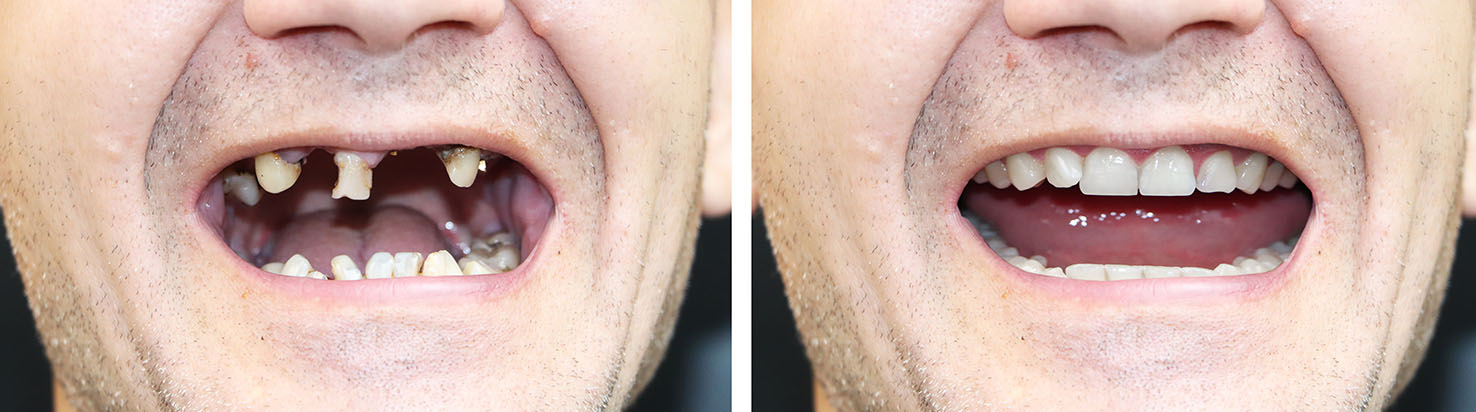
If you notice changes in how an implant feels, persistent soreness, swelling, or other concerns, reach out to your dentist for an evaluation. Early assessment helps determine whether treatment or maintenance adjustments are needed to preserve implant health and overall oral function.
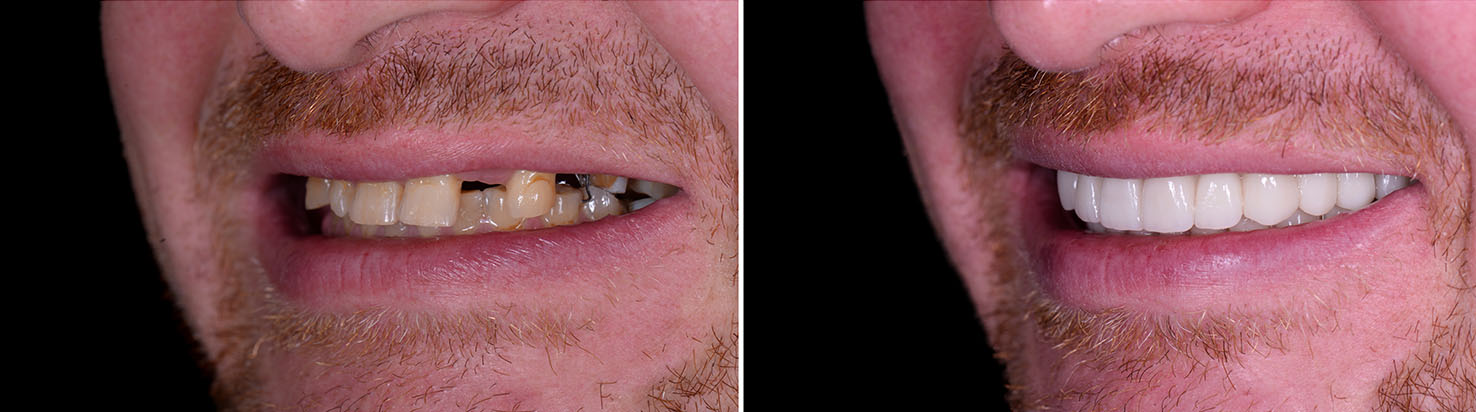
Dental implants offer a versatile way to replace missing teeth—from a single crown to a full-arch restoration—while preserving function, appearance, and jawbone health. Careful planning, skillful placement, and thoughtful restoration are the keys to achieving results that look natural and feel comfortable over the long term.
If you’d like to learn whether implant dentistry is a suitable option for your smile, our team at the office of SmileArts Dental is available to discuss your situation, explain the process, and outline the restorative choices that best match your goals. Contact us to start the conversation and get more information about implant care tailored to you.


Dental implants are biocompatible posts, usually made of titanium, that are placed into the jawbone to replace missing tooth roots. They integrate with bone through a process called osseointegration, creating a stable foundation for crowns, bridges, or dentures. Once integrated, implants restore chewing ability, support normal speech and help maintain facial structure.
The visible restoration is custom made to match the color, shape and alignment of surrounding teeth for a natural appearance. Because an implant replaces the root as well as the tooth, it helps preserve nearby bone and reduces the need to alter adjacent healthy teeth. Implant therapy is planned to deliver predictable function and long-term stability when combined with proper care and maintenance.
Good candidates for dental implants are adults in generally good health with adequate jawbone volume or who can undergo bone augmentation when needed. The dental team evaluates medical history, oral health, and habits such as smoking that can affect healing to determine suitability. Conditions like uncontrolled diabetes or certain medications may require coordination with your physician before proceeding.
A thorough clinical exam and imaging help the dentist assess bone quality, soft tissue condition and anatomical factors that influence implant placement. When issues such as bone loss or gum disease are present, preliminary treatments can often make implants a viable option. Treatment decisions are individualized to align with each patient’s health, function and aesthetic goals.
The implant process typically includes an initial consultation, preparatory treatments if needed, surgical placement and a healing interval before the final restoration is attached. The healing phase for osseointegration commonly spans several months, though specific timing varies with the site, bone quality and whether grafting was required. In some cases a temporary restoration can be placed immediately, while other situations require a brief waiting period for optimal integration.
After healing, the restorative phase involves fabricating and fitting a crown, bridge or denture that matches your bite and appearance. Follow-up visits ensure the implant and surrounding tissues remain healthy and that the prosthesis functions comfortably. Your dentist will provide a tailored timeline based on your diagnostic findings and overall treatment plan.
Implant placement is usually performed as an outpatient procedure with local anesthesia and optional sedation to ensure comfort. The surgical visit involves positioning the implant in the planned location, managing soft tissue and, when necessary, placing graft material to support healing. Your team will review anesthesia options and provide clear pre- and post-operative instructions to help reduce discomfort and support recovery.
Immediately after surgery you can expect some swelling, mild soreness and temporary dietary restrictions while tissues heal. Pain and swelling are typically managed with prescribed or over-the-counter medications and by following post-operative care guidelines. Regular follow-up appointments allow the dentist to monitor healing and address any concerns promptly.
Restorative work for implants is customized to match surrounding teeth in color, shape and size so the result blends seamlessly with your smile. The dental team uses digital impressions, shade guides and careful communication with the dental laboratory to create a restoration that complements your facial features and bite. Adjustments are made during try-in visits to ensure proper fit, occlusion and esthetics before the restoration is finalized.
Materials for implant restorations are selected for strength and appearance, with options such as porcelain or ceramic that closely mimic tooth enamel. The goal is a restoration that feels natural, supports comfortable chewing and resists staining over time. The dentist will discuss material choices and expected performance as part of the treatment planning process.
Some patients require preparatory procedures to create the proper support for implants, including tooth extractions, bone grafting or sinus lift procedures. Bone grafting rebuilds lost bone volume in areas with inadequate support, while sinus lifts elevate the sinus floor to allow placement of implants in the upper jaw when bone height is limited. These procedures are common and are used to improve predictability and stability for the final implant.
Soft tissue management, such as gum tissue grafting, may also be recommended to optimize the appearance and health of the tissues around the implant. The treatment plan will identify any necessary preparatory steps and the expected healing timeline so you have a clear understanding of the overall process. Coordinating these procedures with implant placement helps the team achieve a durable, natural-looking outcome.
Long-term success of dental implants depends on consistent home care and regular professional maintenance. Brushing twice daily with a soft-bristled toothbrush, cleaning between teeth with floss or interdental brushes and using an antimicrobial mouthrinse when recommended help control plaque and protect the tissues around implants. Avoiding tobacco and managing systemic health factors support healthy gum and bone conditions.
Routine dental checkups and professional cleanings allow the team to monitor implant health, assess occlusion and detect early changes in soft tissues or bone. Your dentist may recommend specific maintenance intervals and cleaning techniques tailored to your prosthesis and oral condition. Early intervention for any signs of inflammation or mechanical wear preserves function and extends the life of the restoration.
Dental implant treatment is generally predictable, but like all medical procedures it carries potential risks such as infection, poor osseointegration, nerve irritation or sinus complications in the upper jaw. Proper planning, sterile technique and careful surgical execution reduce these risks, and most complications are identified and treated early during postoperative follow-up. The dentist will explain specific risk factors related to your health and anatomy during the consultation.
If a complication occurs, management may include antibiotics, refinement of the restoration, revision surgery or, in rare cases, removal of the implant. Early detection and prompt treatment improve outcomes, which is why consistent postoperative monitoring is important. The team will outline expected signs to watch for and provide direct guidance on when to contact the office for assessment.
Yes, implants can replace a full arch, and there are several restorative approaches depending on patient needs and preferences. Options include a fully fixed prosthesis anchored by multiple implants, or an implant-retained overdenture that snaps onto implants for improved stability while remaining removable for cleaning. Some treatment plans use as few as four to six implants to support a full-arch restoration, while others may use more implants for additional support.
The choice between a fixed restoration and an overdenture depends on factors such as bone availability, hygiene considerations and desired maintenance routines. Each approach offers advantages in function, comfort and aesthetics compared with conventional dentures. A comprehensive evaluation and discussion with your dentist will identify the best design to restore full-arch function and appearance.
The office takes a patient-centered approach that begins with a detailed consultation, review of medical and dental history, and diagnostic imaging to create an individualized plan. Careful planning includes digital or 3D imaging to determine optimal implant positions, evaluate bone and soft tissue, and avoid vital anatomical structures. The team discusses procedural steps, expected timelines and any preparatory treatments so patients understand each phase of care.
Throughout treatment the practice emphasizes clear communication, pain management options and follow-up to monitor healing and restoration performance. Education about home care, maintenance appointments and signs that warrant earlier evaluation is part of standard care. Patients considering implant therapy are encouraged to ask questions so the team can align the plan with their functional needs and esthetic goals.

Ready to Experience the SmileArts Dental Difference?
We’re here to help you take the next step toward a healthier, more confident smile. Whether you’re ready to schedule an appointment or want to learn more about our services, our friendly team is ready to assist you.
Our staff is happy to answer questions about treatment options, help you schedule your visit, and provide any information you need. Give us a call or fill out our quick online form today—we can’t wait to hear from you!