At SmileArts Dental, the health, comfort, and long-term development of your child's smile guide everything we do. Our pediatric dentistry approach focuses on prevention, clear communication with families, and age-appropriate care so children learn good habits and grow into confident, healthy smiles.

Healthy adult teeth begin with intentional care during childhood. By establishing regular dental visits and practical home routines early on, parents give children the best chance to avoid decay, protect developing bites, and maintain strong gums. Preventive dentistry for kids combines clinical measures—like cleanings, fluoride treatments, and sealants—with straightforward education that fits each child's age and abilities.
Our goal is to make the dental office a familiar, positive place where kids feel respected and understood. A calm, child-focused environment reduces anxiety and makes it easier for clinicians to perform thorough exams and cleanings. Regular visits help identify concerns while they are small and manageable, preventing many problems from requiring more invasive care later on.
Over time, consistent preventive care also supports overall health. Untreated dental disease can affect eating, sleep, school performance, and self-esteem. Emphasizing daily habit-building—brushing with a fluoride toothpaste, flossing when appropriate, and choosing tooth-friendly foods—creates a foundation that benefits a child well beyond their early years.
Parents don't need to be dental experts to make a big difference. Small, reliable steps at home reduce risk substantially: supervise brushing until a child is capable of doing it thoroughly on their own, limit sugary snacks and drinks, and make oral care a predictable part of morning and bedtime routines. Clear strategies and consistency are more effective than occasional intense efforts.
Nutrition and hydration are powerful tools for prevention. Water is the safest everyday drink; swapping out sugary beverages and sticky snacks decreases cavity risk and supports general wellness. Meals that include calcium-rich foods, lean protein, and fresh produce also help teeth and jaws develop properly.
For children who use pacifiers or suck their thumbs, gentle guidance and positive reinforcement often produce the best results. Addressing these habits early—before they influence bite alignment—helps reduce the need for future orthodontic intervention. When a child is nearing school age, parents can use age-appropriate incentives and routines to encourage the transition away from these habits.
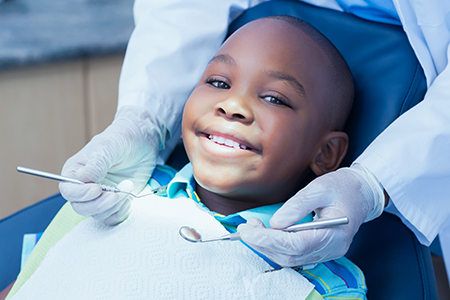
Routine dental exams allow clinicians to monitor growth and spot changes that aren't obvious to the untrained eye. During a checkup, the dentist evaluates the teeth, gums, jaw relationships, and oral tissues—looking for early signs of decay, developing bite issues, or conditions that could affect long-term oral health. Catching problems early keeps treatment simpler and less stressful for children.
Dental cleanings remove plaque and tartar that build up in hard-to-reach places, and they complement daily brushing and flossing. These professional cleanings also give the dental team a chance to offer personalized instruction so children and parents can improve technique and make home care more effective.
When clinically indicated, the use of low-dose digital radiographs helps us see between teeth and beneath the gumline. These images are used selectively and responsibly to check for cavities, evaluate the development and position of permanent teeth, and assess the health of the supporting bone.
Tooth decay remains one of the most common childhood health issues, but it is largely preventable. Cavities develop when bacteria in dental plaque produce acids that erode enamel. Parents can interrupt this process by encouraging regular brushing with fluoride toothpaste, reducing frequent exposure to sugary foods and drinks, and ensuring children receive recommended preventive treatments.
Fluoride—applied in-office or used in approved toothpaste—strengthens enamel and makes teeth more resistant to acid attack. Dental sealants, a thin protective coating applied to the chewing surfaces of molars when they erupt, are an effective, painless barrier against decay in those vulnerable grooves.
Because children’s eating and oral-care routines often change quickly with age, ongoing guidance is essential. The dental team will support families with practical tips on meal planning, snack choices, and how to establish brush-and-floss habits that stick.
Introduce your child to dental care early—make the first visits gentle and positive so trust grows naturally.
Keep infant and toddler teeth clean using a soft cloth or an age-appropriate soft-bristled brush.
Avoid putting babies to sleep with bottles containing milk or juice to reduce the risk of early decay.
Schedule and attend routine checkups and professional cleanings according to your dentist’s recommendations.
Lead by example—children adopt habits they see, so brush and floss together whenever possible.
Choose tooth-friendly snacks and replace sugary beverages with water to protect enamel between meals.
Support children in giving up pacifiers and thumb habits at age-appropriate milestones to protect bite development.
Make custom or properly fitted mouthguards part of the routine for kids who participate in contact sports.

Infant teeth begin developing before birth and typically start to erupt in the first year of life. Because baby teeth play important roles in chewing, speech development, and holding space for permanent teeth, they deserve attention from the start. Pediatric dental care emphasizes prevention and monitoring so parents can protect these early teeth from decay and trauma.
Cleaning a baby’s gums and newly erupting teeth is simple and effective: a soft, damp washcloth or an infant toothbrush removes food and plaque gently. As more teeth emerge, introduce a smear of fluoride toothpaste and supervise brushing until the child can do a thorough job independently.
Teething can be uncomfortable but usually resolves with noninvasive, comforting measures. If a parent is unsure about symptoms or notices unusual swelling or persistent fever, a dental or medical evaluation can help determine the best next steps.
Active children sometimes experience bumps, falls, or sports-related injuries that affect the mouth. Common urgent issues include chipped or loosened teeth, soft-tissue lacerations, and tooth pain from decay or infection. Knowing what to do in the first hours after an injury can reduce complications and improve outcomes.
In many cases, saving a knocked-out tooth depends on prompt attention and appropriate handling. For other injuries, managing bleeding, keeping the child calm, and seeking a dental assessment are the key priorities. For painful infections or rapidly spreading swelling, timely dental care helps relieve discomfort and prevents more serious problems.
Our pediatric team is experienced in evaluating and treating a wide range of urgent issues in children, with an emphasis on minimizing distress and protecting long-term oral health. When necessary, we discuss tailored approaches for care that prioritize safety and comfort.
As children move through elementary and middle school, their mouths change rapidly. Permanent teeth come in, bite relationships evolve, and habits like sports participation and orthodontic treatment affect daily care. Regular dental monitoring helps identify when an orthodontic evaluation may be appropriate and ensures that restorative or protective treatments happen at the right time.
For teens and older children wearing braces or aligners, special attention to oral hygiene prevents decalcification and cavities around brackets and attachments. The dental team provides practical techniques and tools—from interdental brushes to targeted flossing methods—that make oral care manageable even with appliances.
Sealants for newly erupted molars, continued fluoride use, routine cleanings, and focused nutritional advice protect growing smiles through school and into young adulthood. Wisdom teeth and late-developing concerns are monitored so decisions about future treatment are made with a clear understanding of developmental patterns.
Facial growth, jaw relationships, and how permanent teeth are coming in are all part of what we evaluate during periodic exams. Early recognition of certain bite patterns can allow for interventions that guide development in less invasive ways than waiting until problems are firmly established.
The American orthodontic recommendations suggest an initial orthodontic check by age seven in many cases so that developing issues can be identified. Not every child needs early braces, but careful observation helps determine the most appropriate timing for any needed treatment.
Good oral health is supported by a balanced diet and healthy daily routines. Limiting sticky, sugary snacks and promoting whole foods helps teeth and gums stay robust while supporting overall growth. Encouraging regular water intake and minimizing snacking frequency can reduce the amount of acid exposure the teeth experience each day.
Active kids also benefit from protective gear and safe play: well-fitted mouthguards reduce the risk of dental trauma, and guidance about safe practices helps children enjoy sports while protecting their smiles.
In summary, pediatric dentistry is about prevention, education, and timely care tailored to each stage of a child’s development. At SmileArts Dental, our team is committed to partnering with families to build healthy habits, manage growth and development, and handle concerns with compassion and expertise. Contact us if you would like more information about pediatric dental care or how we support families through every step of a child’s oral-health journey.


Pediatric dentistry focuses on the oral health of infants, children, and adolescents, including those with special health care needs. It combines prevention, early detection, and developmentally appropriate treatment to support healthy growth. Specialized training helps dentists manage children's unique dental anatomy and behavior.
Early, consistent dental care reduces the risk of decay, supports proper jaw and bite development, and promotes positive habits that last into adulthood. Routine visits also allow clinicians to spot issues that are not visible at home and to advise families on diet and hygiene. This preventive focus helps minimize the need for more invasive treatment later on.
Children should typically see a dentist by their first birthday or within six months of the eruption of the first tooth, whichever comes first. An early visit establishes a dental home and gives parents personalized guidance on caring for infant teeth. This appointment is usually brief and aimed at building trust and identifying any early concerns.
During the first visits, the clinician will examine the mouth, demonstrate gentle cleaning techniques, and discuss feeding and sleeping practices that affect risk of decay. They will also outline a schedule for routine checkups based on the child's needs. Early engagement makes future care more comfortable and effective for both children and parents.
Preventing cavities starts with consistent daily habits: regular brushing with an appropriate amount of fluoride toothpaste, supervised flossing when teeth touch, and limiting frequent sugary snacks and beverages. Reducing prolonged exposure to sugars, especially between meals, lowers the acid attacks that lead to decay. Good oral hygiene combined with a tooth-friendly diet significantly reduces cavity risk.
Professional preventive care such as routine cleanings, fluoride applications, and sealants complements home routines by protecting enamel and addressing plaque buildup in hard-to-reach areas. The dental team can tailor these interventions to a child's age and risk level and teach effective brushing and flossing techniques. Ongoing communication between parents and clinicians ensures prevention strategies evolve as the child grows.
Fluoride strengthens tooth enamel and helps make teeth more resistant to acid attack, and it can be delivered through fluoridated water, toothpaste, or professional applications. When used at the recommended levels, fluoride is a safe and effective tool to reduce decay in children. Clinicians assess each child's exposure and recommend the most appropriate fluoride strategy.
Dental sealants are thin, protective coatings applied to the chewing surfaces of molars to block decay-causing bacteria from settling in grooves. Sealants are painless to place and provide long-lasting protection for teeth most vulnerable to cavities. Together with fluoride and good home care, sealants form a strong preventive defense for school-age children.
Before teeth erupt, clean an infant's gums with a soft, damp cloth after feedings to remove sugar and bacteria. Once teeth appear, use a soft-bristled, age-appropriate toothbrush and a smear of fluoride toothpaste for infants, increasing to a pea-sized amount as the child grows. Supervise brushing until the child can brush effectively on their own.
Teething discomfort is common and usually managed with gentle measures such as chilled teething rings, soft gum massage, and comfort rather than topical numbing agents unless advised by a clinician. If parents notice high fever, prolonged swelling, or symptoms that concern them, a dental or medical evaluation can help rule out other causes. Regular early dental visits help parents address teething questions and learn safe soothing strategies.
At SmileArts Dental, creating a calm, child-focused environment and using age-appropriate language are key to reducing anxiety and building trust during dental appointments. Techniques such as positive reinforcement, short explanations, slowing down procedures, and allowing parents to comfort the child help make visits less stressful. Dental teams trained in pediatric care are skilled at tailoring their approach to each child's temperament and developmental stage.
For some children, familiarization visits and simple noninvasive steps—like sitting in the dental chair or exploring tools—can reduce fear before treatment begins. When needed, clinicians discuss additional options for behavior management that prioritize safety and comfort. Consistent, supportive experiences early on promote cooperation and a positive attitude toward dental care over time.
For a knocked-out permanent tooth, quick action can increase the chance of saving it: rinse the tooth gently without scrubbing, place it back in the socket if possible, or keep it moist in milk or saline while seeking immediate dental care. For chipped or loosened teeth, control bleeding with gentle pressure and seek prompt evaluation to assess damage. Soft-tissue injuries should be rinsed and cleaned, and persistent bleeding or signs of infection warrant urgent attention.
For severe pain, swelling, or symptoms that suggest an infection, contact your dental provider or pediatrician right away so a clinician can determine whether urgent treatment or antibiotics are necessary. Timely assessment reduces complications and helps protect both short-term comfort and long-term oral health. Your dental team can provide specific, situation-based steps to stabilize the child until definitive care is available.
Children who participate in organized sports, especially contact or high-impact activities, should wear a properly fitted mouthguard to reduce the risk of dental injuries. Custom or professionally fitted mouthguards offer better protection and comfort than one-size-fits-all options, improving the likelihood that kids will keep them in place. Mouthguards also help protect the soft tissues of the mouth and reduce the risk of jaw injuries.
The dental team can recommend the best type of mouthguard for your child's sport and age and can ensure a proper fit that allows for clear speech and breathing. Wearing a mouthguard consistently during practices and games is an effective preventive step to avoid traumatic dental injuries. Replace or adjust mouthguards as children grow or when appliances like braces are introduced.
Regular thumb sucking or prolonged pacifier use can influence the alignment of teeth and jaw development if habits continue past early childhood. Most children stop these habits naturally by age 3, but if they persist as permanent teeth are coming in, they can contribute to bite issues. Gentle, positive strategies typically work best to help children transition away from these habits.
Parents can use age-appropriate incentives, distraction techniques, and gradual limits to encourage cessation, and the dental team can offer guidance tailored to a child's readiness. If habits continue and begin to affect tooth position, the dentist may discuss targeted interventions or referral to an orthodontist to address developing concerns. Earlier, supportive measures reduce the likelihood of needing more involved treatment later on.
A routine dental exam includes monitoring how permanent teeth erupt and how the jaws relate to one another; many clinicians recommend an orthodontic screening by around age seven to identify issues early. Early evaluation is not always a prescription for braces, but it helps detect developing patterns—such as crossbites, severe crowding, or asymmetric growth—that may benefit from timely intervention. Identifying problems while growth is ongoing can sometimes allow for simpler, less invasive approaches.
If the dentist sees signs that interceptive treatment could improve long-term outcomes, they will explain options, timing, and next steps so families can make informed decisions. Ongoing monitoring through childhood ensures that when or if treatment is appropriate, it is started at the most effective time for the child's development. Effective coordination between your general pediatric dentist and an orthodontist supports a comprehensive plan for a healthy, functional smile.

Ready to Experience the SmileArts Dental Difference?
We’re here to help you take the next step toward a healthier, more confident smile. Whether you’re ready to schedule an appointment or want to learn more about our services, our friendly team is ready to assist you.
Our staff is happy to answer questions about treatment options, help you schedule your visit, and provide any information you need. Give us a call or fill out our quick online form today—we can’t wait to hear from you!