For many people, the thought of a dental visit triggers more than a little nervousness — it can create an avoidance pattern that puts oral health at risk. If anxiety or a sensitive gag reflex makes routine appointments or necessary treatment difficult, the practice of SmileArts Dental offers thoughtful, evidence-based sedation options to help patients feel safe and comfortable. Our approach centers on clear communication, individualized planning, and clinical safety.
Avoiding the dentist because of fear often leads to more complex problems down the line. Sedation dentistry is designed to bridge that gap: it eases tension, helps patients tolerate longer appointments, and makes it possible to complete more work in fewer visits when appropriate. The result is better oral health with less stress and a more positive experience from checkup to completion.
We believe every patient deserves care that respects their comfort and dignity. Before recommending sedation, our team reviews your medical history, discusses your concerns, and explains what to expect so you can make an informed decision. Read on to learn how sedation dentistry works, who benefits most, and what to expect before, during, and after treatment.
Sedation dentistry encompasses several techniques that reduce anxiety and promote relaxation during dental care. These methods range from mild inhaled sedation that wears off quickly to deeper levels of conscious sedation administered by a trained clinician. The primary goal is to remove the emotional barrier that prevents patients from getting the care they need while still keeping them safe and responsive.
When sedation is used alongside local anesthesia, patients experience minimal discomfort and reduced awareness of the procedure’s details. Many describe the experience as restful and uneventful — long appointments can feel like they pass much more quickly, and for many, the memory of the treatment is faint or nonexistent. This can lower stress about future visits and help patients stick with recommended care.
At SmileArts Dental, we offer several forms of sedation to match your level of comfort and the complexity of your treatment. Each method is administered under professional supervision to ensure safety and effectiveness.

Nitrous oxide, commonly known as “laughing gas,” provides a light level of sedation that helps you relax during your appointment while remaining fully conscious and responsive. The gas is inhaled through a small mask placed over your nose, and its effects begin within minutes. Once the mask is removed, the sedation wears off quickly, allowing you to drive home and resume normal activities immediately after your visit.
Nitrous oxide is ideal for children and adults who experience mild to moderate dental anxiety or need help tolerating shorter procedures comfortably.
Oral sedation involves taking a prescribed medication before your appointment to help you relax. Depending on the dosage, the level of sedation can range from mild to moderate — you’ll remain awake but feel calm and unconcerned about your surroundings. Some patients even drift into light sleep and may remember little of the procedure afterward.
This option is particularly useful for patients with higher anxiety levels or those undergoing longer or more complex treatments. Because oral sedation can linger for several hours, you’ll need someone to drive you home after your appointment.
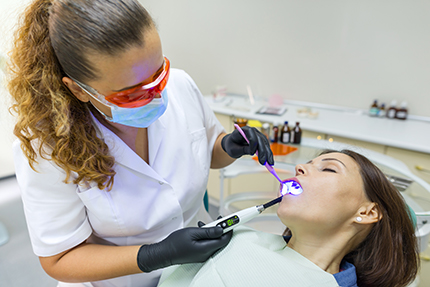
Intravenous (IV) sedation provides a deeper level of relaxation and is administered directly into the bloodstream by a qualified provider. This method allows for precise control over the level of sedation throughout the procedure, making it ideal for patients with severe dental anxiety or those requiring extensive dental work in a single visit.
Although patients remain conscious enough to respond to verbal cues, most report little or no memory of the procedure. IV sedation requires close monitoring of vital signs, and recovery time is longer than with other forms of sedation — you’ll need an escort to take you home after your visit.
Patients choose sedation dentistry for many reasons, but the common thread is a desire to receive dental care with less distress. People with a long history of dental fear, those who experience intense anxiety about certain procedures, and patients with a pronounced gag reflex often find sedation transforms an intimidating visit into a tolerable — even positive — experience.
Sedation is also helpful for people who need multiple or lengthy procedures and prefer to minimize the number of appointments. It can also make treatment possible for patients with conditions that make sitting still difficult. Ultimately, it’s a compassionate way to make dentistry accessible and stress-free.
Preparation and recovery vary depending on the type of sedation used. Before your appointment, our team will review your medical history, current medications, and any allergies. For oral or IV sedation, you’ll need to arrange for a responsible adult to drive you home and plan for a brief recovery period afterward. Your clinician will provide specific instructions tailored to your situation.
After treatment, most patients spend a short time in observation while the team ensures stable vital signs and full responsiveness. Depending on the type of sedation, you may feel drowsy for a few hours. We’ll provide clear aftercare instructions and discuss when it’s safe to drive, return to work, or resume other normal activities.
In summary, sedation dentistry is a safe, patient-centered solution for anyone who experiences dental anxiety, has a strong gag reflex, or requires extensive dental care. To learn more about Oral Sedation, IV Sedation, or Nitrous Oxide and determine which option is right for you, contact SmileArts Dental today.
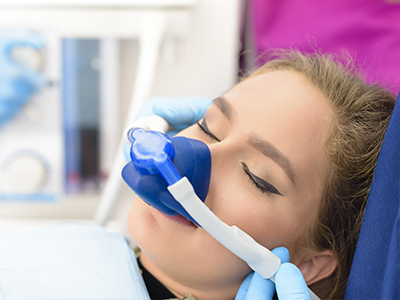

Sedation dentistry uses medications to help patients relax before and during dental procedures. It ranges from mild inhaled sedation to deeper levels of conscious sedation administered under professional supervision. The goal is to reduce anxiety and make dental care more accessible without compromising safety.
By removing fear and tension, sedation can allow longer or more complex procedures to be completed in fewer visits. Many patients report feeling calm and comfortable during treatment and having little or no memory of the procedure. This improved experience often leads to better follow-up care and maintenance of oral health over time.
Common options include nitrous oxide, oral sedation, and intravenous (IV) sedation, each offering a different depth of relaxation. Nitrous oxide provides light, fast-acting relief and wears off quickly, oral sedation involves prescribed medication taken before the visit and can produce moderate relaxation, and IV sedation allows precise control and deeper sedation levels for extensive procedures. The method chosen depends on the patient’s anxiety level, medical history, and the complexity of the treatment.
Onset and recovery times vary: nitrous oxide is rapid and short-lived, while oral and IV medications may require longer monitoring and recovery. All options are administered and monitored by trained clinicians who adjust dosing to maintain safety and comfort. Before any sedation, the care team explains the expected effects so patients know what to anticipate.
Candidates include patients who experience significant dental anxiety, have a strong gag reflex, or require lengthy or multiple procedures that would be difficult to tolerate while fully awake. People with disabilities or medical conditions that make it hard to remain still during treatment may also benefit from sedation. A thorough review of medical history helps determine whether sedation is appropriate for each individual.
Age alone is not always a limiting factor, but the team considers overall health, medications, and specific risks before recommending sedation. Pregnant patients or those with certain uncontrolled medical conditions may need alternative approaches. The practice creates a personalized plan to balance comfort with the safest possible care.
Preparation instructions vary by the type of sedation, so it is important to follow the clinician’s guidance closely prior to your appointment. You will be asked about current medications, allergies, and medical history so the care team can tailor the sedation plan and avoid interactions. For deeper sedation, you should arrange for a responsible adult to accompany you and provide transportation after the visit.
Wear comfortable, loose-fitting clothing and avoid heavy makeup or jewelry that could interfere with monitoring equipment. Bring a list of current medications and any relevant medical records or contact information for your physician. Clear communication before the appointment helps reduce surprises and supports a smooth, safe experience.
During sedation, clinicians continuously monitor vital signs and adjust medication levels to maintain a safe, controlled state of relaxation. Local anesthesia is typically used in tandem with sedation to minimize discomfort, while the team watches oxygen levels, blood pressure, and heart rate. Patients often describe the experience as calm and restful, with time passing quickly.
After the procedure, recovery time depends on the sedation used and individual factors, and patients remain under observation until they are stable. Nitrous oxide generally allows a quick return to normal activity, while oral and IV sedation usually require a longer recovery and an escort home. The team provides specific aftercare instructions and notes when it is safe to resume normal activities.
As with any medical procedure, sedation carries potential side effects such as drowsiness, nausea, dry mouth, or lightheadedness, which are usually temporary and manageable. More serious complications are uncommon when sedation is provided by trained professionals who follow established safety protocols. Thorough preoperative screening and continuous monitoring help minimize risk for most patients.
Certain health conditions and interactions with prescription or over-the-counter medications can increase risk, so full disclosure of medical history is essential. The care team may modify the sedation approach or recommend alternative strategies if there are elevated concerns. Open communication and informed consent are key components of safe sedation care.
The degree of memory loss and awareness depends on the type and depth of sedation used; light sedation often leaves patients awake and alert with reduced anxiety, while deeper sedation can produce partial or complete amnesia for the event. Oral and IV sedatives commonly reduce recollection of the procedure, which many patients find beneficial. Regardless of memory effects, clinicians maintain the patient’s ability to respond to verbal cues when appropriate.
Amnesia can be helpful for those with severe fear because it removes painful or distressing memories associated with dental care. Even when memory is reduced, safety remains a priority and monitoring ensures that the patient’s airway, breathing, and circulation are stable. The care team explains expected awareness levels so patients and families know what to expect.
Children can benefit from sedation options such as nitrous oxide or carefully dosed oral medications when needed to facilitate safe and effective care. Pediatric sedation requires special training, weight-based dosing, and vigilant monitoring to account for differences in physiology and recovery. Parents or guardians should provide a complete medical history and follow pre-appointment instructions closely.
Prior to treating a child, the team discusses risks, benefits, and alternatives with the parent or guardian and obtains informed consent. Children are observed after sedation until they have returned to an appropriate level of alertness, and caregivers receive clear post‑procedure guidance. These precautions help ensure both comfort and safety for pediatric patients.
Medical conditions such as respiratory disease, heart disease, liver or kidney impairment, and sleep apnea can influence the choice and safety of sedation techniques. Prescription medications, herbal supplements, and substance use may interact with sedatives, altering effectiveness or increasing risk. A thorough medication review and coordination with the patient’s medical providers helps the dental team select the safest approach.
In some cases, adjustments to existing medications or additional medical clearance may be recommended before sedation. Patients should never stop or change prescription medications without consulting their prescribing clinician and the dental team. Accurate disclosure and collaborative planning are essential to reduce the likelihood of adverse events.
At SmileArts Dental, sedation is provided by clinicians trained in sedation techniques with established protocols for monitoring and emergency response. The office uses appropriate monitoring equipment to track vital signs continuously and follows national guidelines for sedation practice and patient evaluation. Regular staff training and adherence to safety checklists support a high standard of care.
Before any sedated procedure, patients receive a personalized assessment and a clear explanation of risks, benefits, and aftercare expectations to secure informed consent. Post-procedure observation and follow-up ensure recovery is progressing well and any questions are addressed promptly. These measures help maintain patient safety and confidence throughout the treatment process.

Ready to Experience the SmileArts Dental Difference?
We’re here to help you take the next step toward a healthier, more confident smile. Whether you’re ready to schedule an appointment or want to learn more about our services, our friendly team is ready to assist you.
Our staff is happy to answer questions about treatment options, help you schedule your visit, and provide any information you need. Give us a call or fill out our quick online form today—we can’t wait to hear from you!