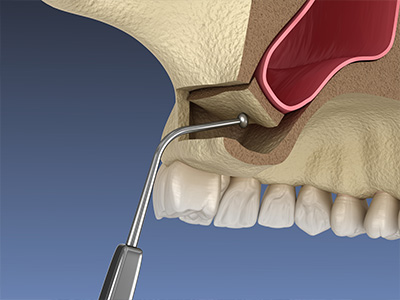
A sinus lift is a surgical technique used to rebuild bone in the upper jaw where the natural bone height beneath the sinus cavity is insufficient to support a dental implant. When a back upper tooth is missing or the jawbone has resorbed after tooth loss, there may not be enough solid foundation to anchor an implant safely and predictably. A sinus lift raises the sinus membrane upward and places bone graft material in the resulting space to restore vertical height and create a stable base for future implant placement.
Although the name can sound intimidating, the goal is straightforward: create the conditions necessary for a long-lasting implant that functions and feels like a natural tooth. The procedure is a commonly accepted part of implant dentistry and has evolved with advances in imaging and grafting materials. When performed by a qualified clinician, it helps patients who previously were not candidates for implants regain function, comfort, and confidence in their bite.
Importantly, a sinus lift is a targeted, site-specific treatment rather than a full-mouth surgery. It addresses one of the most common anatomical limitations in the upper jaw — the proximity of the maxillary sinus to the roots of the posterior teeth — by gently creating space and encouraging bone regeneration. For many patients, this single procedure opens the door to implant-supported restoration where traditional options like bridges or removable dentures would otherwise be the only alternatives.
The process begins with a thorough evaluation, usually involving 3D imaging such as cone beam CT to map sinus anatomy, measure available bone, and plan the graft precisely. During the appointment, your dental team will discuss anesthesia options and the steps involved so you know what to expect. Good planning reduces surprises and helps tailor the procedure to each patient’s unique anatomy and treatment goals.
On the day of surgery, a small incision is made in the gum above the molar area to expose the outer wall of the sinus. A small window is created in the bone, and the sinus membrane is carefully lifted to create a pocket. Bone graft material — which can be autogenous bone, allograft, xenograft, or synthetic substitutes depending on the clinician’s recommendation — is placed into the space beneath the elevated membrane to build up the deficient ridge.
After graft placement, the gum is sutured closed. In many cases, the implant is placed at a later date once the graft has matured and integrated with the native bone. In select situations with adequate primary stability, the implant may be placed at the same appointment as the graft. Throughout the process, your clinician will monitor healing and use imaging to confirm that the graft has consolidated before final restorations are completed.
Patients who have lost upper back teeth and lack sufficient bone height to support implants are the primary candidates for a sinus lift. Bone loss in the posterior maxilla can occur from long-standing tooth loss, periodontal disease, or resorption patterns that vary by individual. A clinical exam and diagnostic imaging determine whether a sinus augmentation is necessary and which grafting approach is most appropriate.
General health, oral hygiene, and lifestyle factors play a role in candidacy. Non-smokers and patients with controlled systemic conditions tend to have more predictable healing, but many people with stable chronic conditions can still proceed under careful management and medical clearance when needed. Your dental team will review your medical and dental history to identify any factors that require special precautions or collaboration with a physician.
Age alone is rarely a disqualifier; rather, the focus is on bone quality, sinus anatomy, and overall health. Even patients who were previously told implants weren’t possible may be reassessed with modern imaging and grafting techniques. A tailored plan — rather than a one-size-fits-all answer — provides the best path forward for each patient’s circumstances.
After a sinus lift, most patients experience mild to moderate discomfort and swelling for a few days, which is typically managed with prescribed or over-the-counter medications and conservative measures like ice and rest. Because the sinus membrane is involved, patients are commonly advised to avoid activities that increase sinus pressure during the initial healing period — for example, forceful nose-blowing, heavy lifting, or vigorous sneezing when possible. Your clinician will give clear, practical instructions to support smooth recovery.
Bone grafts require time to integrate with the jaw. The healing process involves new bone formation and gradual consolidation of the graft material, which can take several months. During this period, follow-up visits and periodic imaging allow the clinician to assess the graft’s progress and determine the optimal timing for implant placement if it was not done at the time of augmentation. Adhering to post-operative directions and attending scheduled check-ups improves the likelihood of a predictable outcome.
Long-term care after successful grafting and implant restoration focuses on maintaining excellent oral hygiene and routine dental visits. Regular professional cleanings and timely attention to any changes help protect the investment in your oral health. Patients are encouraged to discuss any sinus-related symptoms that persist beyond the expected recovery window so that the team can evaluate and respond appropriately.
Successful implant rehabilitation in the upper jaw often depends on thoughtful coordination between diagnostic planning, surgical skill, and restorative design. Advanced imaging and digital planning tools allow clinicians to visualize the sinus and surrounding structures in three dimensions and to design a grafting approach that supports both functional and esthetic outcomes. Clear communication about treatment milestones, expected timelines, and follow-up care helps patients feel informed and confident throughout the process.
For many patients, a sinus lift is one step in a staged treatment plan leading to implant-supported crowns or bridges that restore chewing function and appearance. Collaboration with specialists — such as oral surgeons or periodontists — may be recommended for complex cases, and a skilled restorative dentist will ensure the final tooth form integrates harmoniously with the grafted area. This team-based approach prioritizes predictable tissue healing and a prosthetic result that meets long-term goals.
At SmileArts Dental, our team combines modern imaging, evidence-based grafting techniques, and an individualized care plan to guide patients through each stage of treatment. We focus on creating a comfortable experience and a clear path toward restoring missing teeth with stable, implant-supported solutions. If a sinus lift is part of your recommended plan, we’ll explain the rationale, walk you through the steps, and outline the timeline so you can make an informed decision.
In summary, a sinus lift is a reliable option for patients who need additional bone height in the upper jaw to support dental implants. By lifting the sinus membrane and placing bone graft material, clinicians can recreate a stable ridge for future implant success. If you’re considering implant treatment and want to learn whether a sinus lift is part of your best pathway forward, please contact us for more information and to schedule an evaluation.

A sinus lift is a surgical procedure that increases bone height in the upper jaw beneath the maxillary sinus to support dental implants. The surgeon gently elevates the sinus membrane and places bone graft material into the space created to rebuild the deficient ridge. This site-specific augmentation is commonly used when posterior maxillary bone has resorbed after tooth loss or due to periodontal disease.
The primary objective is to create a stable, long-term foundation for implant-supported restorations so that the new tooth can function like a natural one. Advanced imaging and refined grafting techniques make the procedure predictable when performed by a trained clinician. Many patients who were previously ineligible for implants can pursue fixed restorations after successful augmentation.
Candidates for a sinus lift generally include patients who lack sufficient vertical bone height in the posterior maxilla to anchor dental implants. Diagnosis is based on a clinical exam and three-dimensional imaging such as cone beam CT that measures bone volume and maps sinus anatomy. The decision to proceed considers the amount of residual bone, sinus position, and the planned prosthetic outcome.
Overall health and lifestyle factors influence candidacy; non-smokers and people with well-controlled systemic conditions tend to have more predictable healing. Active sinus infections, uncontrolled chronic diseases, or certain bleeding disorders may require treatment or medical clearance before surgery. Age alone is rarely a disqualifier, and many patients can be evaluated for a tailored treatment plan rather than a one-size-fits-all approach.
A sinus lift begins with careful planning, including a review of medical history and 3D imaging to define the sinus contours and bone dimensions. Under local anesthesia with sedation if desired, the clinician makes a small incision to expose the lateral sinus wall and creates a window in the bone. The sinus membrane is elevated gently to form a pocket for graft material while preserving the integrity of the membrane.
Graft material is placed into the newly created space and the site is closed with sutures to promote uneventful healing. In some cases an implant is placed at the same appointment if there is sufficient primary stability, but frequently implants are placed after the graft has consolidated. Follow-up imaging is used to confirm bone integration before final restorations are completed.
Clinicians may use several types of graft materials, including autogenous bone (from the patient), allografts (human donor bone), xenografts (animal-derived bone), or synthetic substitutes. Autogenous bone offers living cells and growth factors, while allografts and xenografts provide an effective scaffold that avoids donor-site morbidity. Synthetic materials are increasingly used and can offer predictable results depending on the clinical situation and surgeon preference.
The choice of graft material depends on the defect size, patient preferences, and the dentist’s experience with each option. Materials integrate through new bone formation and remodeling over time, and the clinician will explain the expected timeline for consolidation. Whether a one-stage or staged approach is appropriate will also influence the material selection and treatment sequence.
Healing after a sinus lift varies but typically requires several months for the graft to integrate and form mature bone capable of supporting an implant. Many patients require four to nine months of healing before implant placement, though individual factors such as graft type and bone quality affect the timeline. Regular follow-up visits and periodic imaging help the clinician determine when the graft has consolidated sufficiently for restoration.
In select situations with adequate initial stability, an implant may be placed at the time of augmentation, shortening the overall treatment timeline. However, staged approaches remain common because delayed implant placement allows predictable osseointegration of both graft and implant. Your care team will discuss the expected schedule and monitoring plan so you understand when to expect each phase of treatment.
As with any surgical procedure, a sinus lift carries potential risks such as perforation of the sinus membrane, infection, excessive bleeding, or failure of the graft to integrate. Membrane tears are the most common complication and are often managed during the procedure to allow successful graft placement. Proper surgical technique, careful imaging, and patient selection reduce the likelihood of complications.
Postoperative instructions and early follow-up are important to detect and treat issues such as sinus infection or prolonged swelling before they affect the outcome. Patients should report persistent pain, fever, nasal discharge, or any breathing changes so the team can evaluate and intervene promptly. When complications do occur, collaboration with an ENT specialist or oral surgeon may be recommended to resolve sinus-related concerns.
A properly performed sinus lift generally does not impair long-term sinus function or breathing for most patients. The sinus membrane is elevated carefully and the anatomy is respected so that normal sinus drainage is preserved as the graft heals. Short-term symptoms such as congestion or mild sinus pressure can occur but typically resolve during the healing phase.
Patients with chronic sinus disease or recurrent sinusitis should have their condition evaluated before augmentation, and coordination with an ENT specialist may be advisable. Preexisting sinus pathology can affect healing and may require treatment prior to surgery to minimize postoperative complications. Your dental team will review your sinus history and imaging results to determine the safest path forward.
To prepare for a sinus lift, follow your clinician’s preoperative instructions which often include completing any required imaging, managing medications, and arranging transportation for the day of surgery. Smoking cessation is strongly recommended because tobacco use can impair healing and increase the risk of graft failure. You should also disclose all medications and medical conditions so the team can plan anesthesia and identify potential interactions.
If your clinician prescribes antibiotics, preoperative rinses, or specific medications to hold before surgery, follow these directions closely to reduce infection risk. Plan to rest for several days after the procedure, maintain a soft diet initially, and avoid activities that increase sinus pressure such as heavy lifting or forceful nose-blowing. Clear communication about expectations and logistics helps the surgical day go smoothly and supports optimal recovery.
During recovery expect mild to moderate swelling and discomfort for a few days that can be managed with cold compresses and the medications recommended by your clinician. Patients are typically advised to avoid nose-blowing, use caution with sneezing, and steer clear of strenuous activities to protect the grafted site. Maintaining gentle oral hygiene and using any prescribed antimicrobial rinses helps minimize the risk of infection while protecting the repair.
Dietary adjustments are often recommended initially, with a transition from soft foods to a normal diet as healing allows and pain subsides. Follow-up appointments and imaging will be scheduled to monitor graft consolidation and plan the timing of implant placement if necessary. Report persistent pain, fever, or unusual nasal symptoms promptly to ensure timely evaluation and care.
Choosing the right provider for a sinus lift involves evaluating clinical experience, access to three-dimensional imaging, and familiarity with a range of grafting materials and techniques. Look for a team that coordinates care between restorative and surgical specialists and that explains the treatment plan clearly, including expected timelines and follow-up. A practice that emphasizes patient comfort, evidence-based protocols, and thorough diagnostic planning supports predictable outcomes.
At SmileArts Dental in Yukon, OK, our team combines modern imaging with individualized planning to guide patients through sinus augmentation and implant rehabilitation. We focus on clear communication about risks, healing expectations, and the sequence of care so patients feel informed at each stage. When necessary, we collaborate with oral surgeons or ENT specialists to deliver safe, coordinated treatment for complex cases.

Ready to Experience the SmileArts Dental Difference?
We’re here to help you take the next step toward a healthier, more confident smile. Whether you’re ready to schedule an appointment or want to learn more about our services, our friendly team is ready to assist you.
Our staff is happy to answer questions about treatment options, help you schedule your visit, and provide any information you need. Give us a call or fill out our quick online form today—we can’t wait to hear from you!