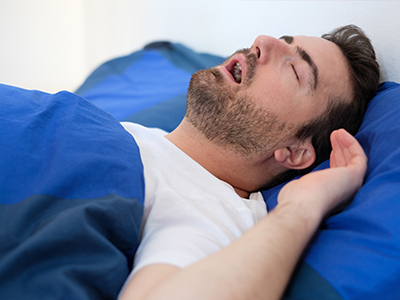
A full night of restorative sleep is a foundation for physical health, daytime focus, and overall quality of life. Many adults struggle quietly with interrupted sleep caused by airway obstruction, loud snoring, or pauses in breathing. At the office of SmileArts Dental, our team works with patients to identify potential signs of sleep-disordered breathing and to coordinate care that supports safer, more restful nights.
Obstructive sleep apnea (OSA) is a condition in which the upper airway repeatedly narrows or collapses during sleep, interrupting normal breathing and reducing oxygen delivery to the body. These interruptions can happen hundreds of times a night in severe cases, fragmenting sleep architecture and preventing the restorative cycles your body needs. While not every snorer has OSA, snoring is a common symptom that warrants attention.
Left unaddressed, OSA is linked with a range of health concerns, including high blood pressure, cardiovascular strain, metabolic changes, and impaired daytime functioning. The cumulative effects of disrupted sleep can also increase fatigue, reduce concentration, and affect mood and productivity. Because the condition often develops gradually and can vary in severity, many people and their partners may not immediately recognize the pattern.
Early detection matters because effective management can reduce symptoms and lower risks associated with untreated OSA. A practical approach integrates medical evaluation, sleep testing when indicated, and personalized treatment plans that reflect each person’s anatomy, lifestyle, and health priorities.
Symptoms of obstructive sleep apnea can appear both during sleep and while awake. At night, common indicators include loud, persistent snoring, witnessed pauses in breathing, choking or gasping episodes, and frequent awakenings. These events can be obvious to a bed partner but subtle or unnoticed by the person experiencing them.
Daytime effects often include excessive sleepiness, difficulty concentrating, morning headaches, dry mouth, and an overall sense of not being refreshed after sleep. Over time, untreated OSA can contribute to decreased performance at work, impaired driving alertness, and diminished enjoyment of daily activities.
Because OSA can coexist with other conditions such as obesity, nasal congestion, and certain anatomical features, it’s important to consider symptoms in context rather than in isolation. If you or a loved one notice a pattern of night symptoms or daytime impairment, a screening conversation with a healthcare provider is a recommended next step.
Diagnosis begins with a clinical assessment that reviews symptoms, medical history, and risk factors. Primary care physicians, sleep specialists, and dentists who screen for sleep-disordered breathing may use validated questionnaires and targeted exams to identify people who should pursue formal testing.
Sleep testing can take place in a sleep laboratory or through home sleep apnea testing devices prescribed by a clinician. These studies measure breathing patterns, oxygen levels, and other physiological signals to determine whether pauses in breathing occur and how severe they are. Results help clinicians classify the condition and guide treatment decisions.
Because dental professionals routinely examine the airway, jaw alignment, and oral tissues, dentists can play a valuable role in initial screening and in collaborating with physicians to design an appropriate care plan. Coordination between dental and medical teams ensures that diagnosis and treatment are informed by a person’s full health picture.
There are multiple ways to manage obstructive sleep apnea, and the best plan depends on disease severity, anatomy, symptoms, and patient preference. Continuous positive airway pressure (CPAP) therapy remains a widely used option that keeps the airway open with pressurized air delivered through a mask while sleeping. For many patients CPAP is effective, but other options are available when CPAP is not tolerated or when a different approach is preferred.
Lifestyle measures—such as weight management, positional therapy for people whose apneas worsen when sleeping on their back, and treatment of nasal congestion—can help reduce symptoms in selected patients. Surgical interventions are another option for individuals with correctable anatomical causes, but these approaches are individualized and require careful medical evaluation.
Oral appliance therapy is a widely accepted alternative for patients with mild to moderate OSA or for those who cannot tolerate CPAP. These devices, worn like a mouthguard, reposition the lower jaw and tongue to preserve airway space during sleep. Decisions about treatment should be made collaboratively between the patient, their physician, and their dental provider to ensure safety and effectiveness.
When a custom oral appliance is recommended, the process starts with a comprehensive dental evaluation that considers bite relationship, jaw mobility, tooth health, and oral anatomy. Accurate impressions or digital scans are taken to ensure a precise fit. The appliance is then fabricated to hold the jaw in a position that reduces airway collapse without placing undue stress on the teeth or jaw joints.
Fitting is followed by a period of adjustment. Patients often return for follow-up visits to fine-tune the appliance’s position and to confirm symptom improvement and comfort. Periodic monitoring is important—what works initially may need recalibration over time as the patient’s weight, sleep habits, or dental condition change.
At our practice in Yukon, OK, the focus is on combining clinical expertise with a patient-centered approach. We collaborate with sleep physicians to review sleep study results and to ensure appliance therapy aligns with broader medical recommendations. This coordinated care helps optimize outcomes while protecting dental health.
If you suspect you may have sleep apnea or if snoring is affecting your sleep quality, a professional evaluation can clarify the next steps. Contact SmileArts Dental to discuss screening for sleep-disordered breathing and how we work with medical colleagues to tailor a care plan to your needs.
To learn more or to schedule an evaluation, please contact us for additional information and guidance.


Obstructive sleep apnea (OSA) is a sleep disorder in which the upper airway repeatedly narrows or collapses during sleep, causing pauses in breathing and fragmented sleep. These interruptions reduce the amount of restorative sleep a person gets and can lower oxygen levels intermittently throughout the night. Over time, untreated OSA is associated with increased risk for high blood pressure, cardiovascular strain and daytime impairment.
Symptoms can develop gradually and vary by individual, so people may not always recognize the condition on their own. Early identification and appropriate medical evaluation help reduce symptom burden and lower long-term health risks. A coordinated approach that includes medical and dental assessment can guide safe, effective care tailored to a person’s needs.
Nighttime signs often include loud, persistent snoring, observed pauses in breathing, gasping or choking episodes and frequent awakenings. A bed partner may notice these patterns more readily than the person experiencing them. These events can fragment sleep and prevent normal progression through restorative sleep stages.
Daytime effects commonly include excessive sleepiness, difficulty concentrating, morning headaches and a feeling of not being refreshed after sleep. Over time, untreated sleep apnea can impair work performance and increase the risk of accidents related to impaired alertness. If you notice a consistent pattern of these signs, a screening evaluation is a reasonable next step.
Evaluation typically begins with a clinical assessment that reviews symptoms, medical history and risk factors. Clinicians may use validated questionnaires and targeted physical exams to determine whether formal testing is indicated. This initial assessment helps guide the most appropriate testing method for each person.
Diagnostic testing can include in-lab polysomnography or home sleep apnea testing, depending on clinical judgment and patient factors. Polysomnography measures multiple physiological signals overnight in a sleep lab, while home testing records key breathing and oxygen patterns at home. Results from these studies help classify the severity of sleep apnea and inform treatment planning in collaboration with medical and dental providers.
Yes. Dental professionals often evaluate structures that influence the airway, including jaw alignment, oral tissues and tooth position, and can identify physical features that raise concern for sleep-disordered breathing. During routine exams, a dentist may ask about snoring, daytime sleepiness and other symptoms and use screening tools to determine whether further evaluation is warranted. This early detection role can help connect patients with the right medical resources.
When screening suggests possible sleep apnea, dentists typically collaborate with primary care physicians or sleep specialists to coordinate diagnosis and management. Sharing findings, sleep study results and treatment responses ensures a comprehensive plan that addresses both airway function and oral health. Ongoing communication between teams helps optimize outcomes and monitor any dental implications of treatment.
Although continuous positive airway pressure (CPAP) is widely effective, alternative approaches are available for people who cannot tolerate it or who prefer different options. Lifestyle measures such as positional therapy, weight management and treatment of nasal obstruction may reduce symptoms for some patients. Surgical options are also considered in select cases when specific anatomical issues can be corrected after careful evaluation.
Oral appliance therapy is an evidence-based alternative for many people with mild to moderate OSA or for those who cannot use CPAP. Upper airway stimulation and other advanced interventions may be appropriate for carefully selected patients after consultation with a sleep specialist. Treatment decisions should be individualized and made collaboratively between the patient’s medical and dental care teams.
Custom oral appliances are devices worn in the mouth during sleep that reposition the lower jaw and tongue to help maintain a more open airway. By advancing the jaw slightly forward, these appliances reduce airway collapse and decrease the frequency of breathing interruptions in many patients. They are fabricated to fit a patient’s dental anatomy and to minimize undue stress on teeth and jaw joints.
Oral appliances are commonly recommended for patients with mild to moderate obstructive sleep apnea and for those who have difficulty tolerating CPAP. A physician’s diagnosis and guidance are essential before starting appliance therapy to ensure safety and appropriateness. Regular dental follow-up is important to monitor fit, effectiveness and any changes in dental or joint health over time.
The fitting process begins with a comprehensive dental assessment that evaluates bite relationship, tooth stability and jaw motion, followed by impressions or digital scans to create a precise appliance. The initial insertion visit includes adjustments to ensure comfort and to achieve the therapeutic jaw position without causing excessive strain on the teeth or temporomandibular joints. Patients typically receive instructions for nightly use, cleaning and safe storage of the device.
Follow-up visits are scheduled to fine-tune the appliance, assess symptom improvement and check for dental or joint changes. Periodic monitoring, often in coordination with the referring sleep physician, helps confirm that breathing events are reduced and that the treatment remains effective. At SmileArts Dental we emphasize a patient-centered approach that balances airway benefit with long-term dental health.
Several lifestyle modifications can improve sleep quality and reduce the severity of sleep apnea for some people. Maintaining a healthy weight, avoiding alcohol and sedatives near bedtime, and addressing nasal congestion or allergies can all help reduce airway collapse during sleep. Positional therapy, which discourages back sleeping for people whose apneas worsen supine, can also be beneficial.
These measures are often used alongside medical or dental treatments rather than as sole therapy for moderate or severe cases. Small, sustainable changes in sleep habits and overall health can support treatment effectiveness and symptom control. Discussing lifestyle strategies with your care team helps ensure they fit your overall health plan.
You should seek prompt medical attention if you or a partner observe prolonged pauses in breathing, loud gasping or choking episodes that wake you frequently, or sudden worsening of daytime sleepiness that affects safety. Severe daytime sleepiness that interferes with driving, operating machinery or safe performance of daily tasks warrants expedited evaluation. These signs can indicate significant breathing disturbance that requires timely assessment.
If you experience new or rapidly worsening symptoms, your primary care provider or a sleep specialist can help determine the appropriate next steps, which may include urgent testing or referral. Collaborative evaluation with dental colleagues can be arranged when oral appliance therapy or other dental considerations are part of the care plan. In cases of acute concern, do not delay seeking medical advice.
At our Yukon, OK practice we screen for airway concerns during dental exams and communicate closely with referring physicians to ensure a coordinated evaluation. When further testing or specialist input is needed, we work with sleep medicine providers to review study results and to develop a comprehensive treatment plan that addresses both airway function and oral health. This multidisciplinary approach helps ensure that patients receive balanced, evidence-informed care.
If an oral appliance is recommended, we handle detailed dental evaluation, precision fabrication and ongoing adjustments while staying in contact with the patient’s medical team to monitor treatment response. Our goal is to provide comfortable, effective therapy and consistent follow-up that protects dental structures and supports overall health. If you have concerns about snoring or daytime sleepiness, contact SmileArts Dental to discuss screening and next steps.

Ready to Experience the SmileArts Dental Difference?
We’re here to help you take the next step toward a healthier, more confident smile. Whether you’re ready to schedule an appointment or want to learn more about our services, our friendly team is ready to assist you.
Our staff is happy to answer questions about treatment options, help you schedule your visit, and provide any information you need. Give us a call or fill out our quick online form today—we can’t wait to hear from you!